Is It Safe to Get Dental Treatment in Turkey? What to Check
Medically reviewed by Dt. Mehmet Alp Erdem·Last updated:
In short
Dental treatment in Turkey can be safe when it follows the same steps as good care at home: an in-person examination with X-rays or a CBCT scan before any final plan, a written plan naming the materials, enough time for healing, and aftercare arranged with your home dentist. Risk rises when healthy teeth are heavily reduced on a rushed schedule.
Is it safe to get dental treatment in Turkey?
It can be, but safety depends on the clinic and the plan rather than the country. Turkey has qualified dentists and modern clinics, and also clinics that rush large treatments. Treatment is usually safer when it starts with an examination and imaging, follows a written plan, allows time for healing and includes clear aftercare.
Dental organisations in the UK and elsewhere report seeing patients with problems after treatment abroad, including infection, ongoing pain, poorly fitting crowns or implants and difficulty arranging follow-up. These problems are not unique to any one country, but they are more likely when planning is rushed or aftercare is unclear.
The practical question is therefore not whether Turkey is safe in general, but whether a specific clinic and treatment plan meet the standards you would expect at home. The sections below set out what to look for.
What are the warning signs of an unsafe dental clinic abroad?
Warning signs include a fixed treatment plan or number of teeth decided from photos alone, extensive work squeezed into a few days, full crowns proposed on healthy teeth for purely cosmetic reasons, no written plan, consent handled only by a coordinator, and no clear arrangement for records or follow-up after you return home.
A good consultation also covers your medical history, medicines, previous dental work, smoking and any long-term conditions. If none of this is asked about before treatment is planned, that is a reason to pause.
It is also reasonable to expect to know who will carry out each stage of treatment, how to contact the clinic after you return home, and how any problems would be handled.
| Area | Safer sign | Warning sign |
|---|---|---|
| Planning | Plan confirmed after an in-person exam, X-rays and, where needed, CBCT | Final plan or number of teeth fixed from photos alone |
| Time | Schedule set by healing and laboratory work | Extensive treatment squeezed into a few days |
| Healthy teeth | Conservative options discussed first | Full crowns proposed on healthy teeth for cosmetic reasons |
| Paperwork | Written plan listing treatments, materials and implant details | Verbal agreement only |
| Communication | Dentist explains risks and alternatives in your language | Consent rushed or handled only by a coordinator |
| Aftercare | Records, X-rays and an aftercare plan for your home dentist | No records and no clear follow-up contact |
What is 'Turkey teeth' and how can it be avoided?
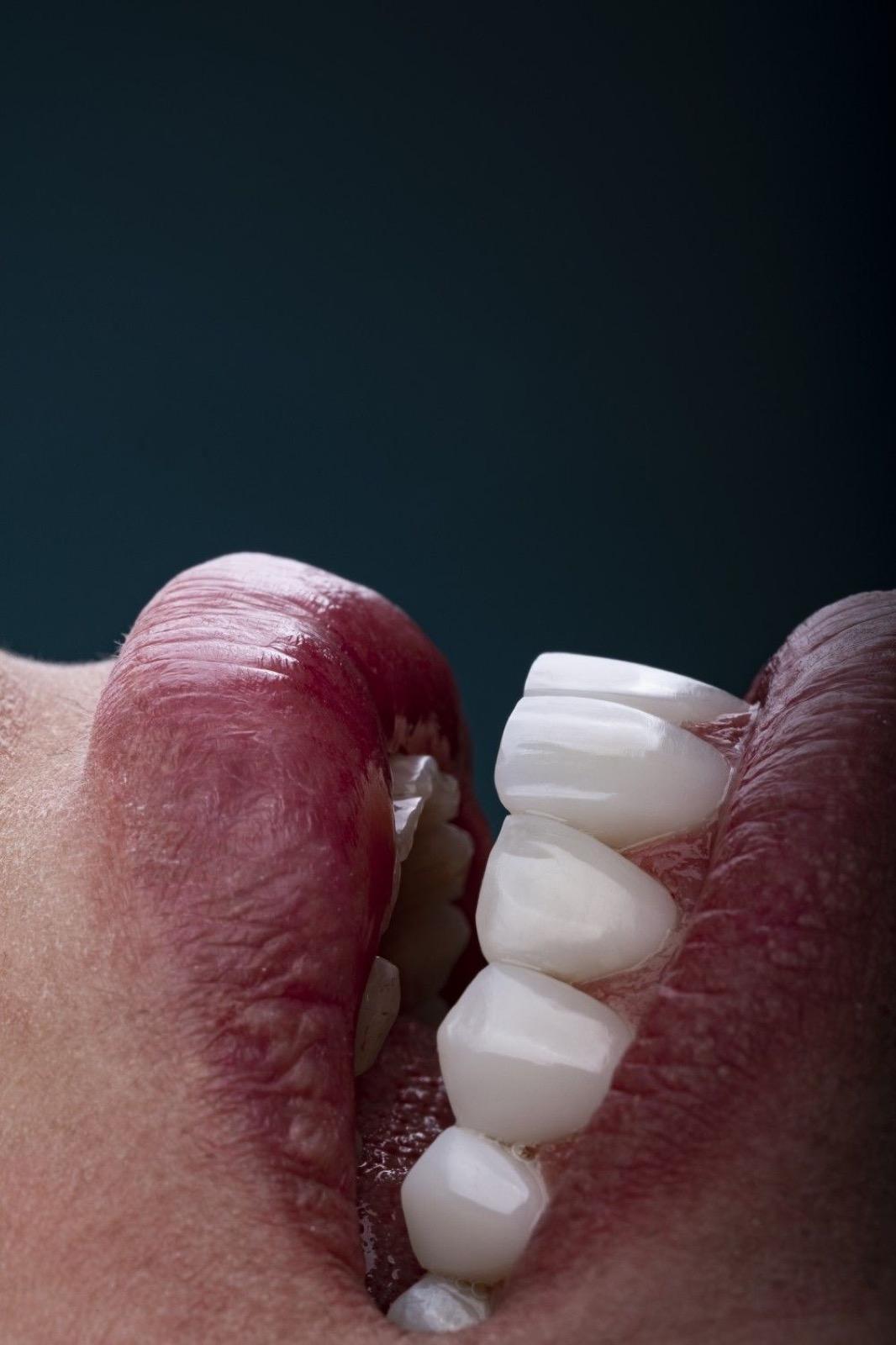
'Turkey teeth' is a media term for a set of very white crowns or veneers, often fitted after healthy teeth were filed down heavily in a short trip. The concern is not the country but over-preparation: removing far more natural tooth than needed, which is irreversible and can lead to sensitivity, nerve damage or root canal treatment.
It is usually avoided by choosing the most conservative option that meets your goal. Whitening, composite bonding or thin veneers that stay mostly within enamel change the appearance of healthy teeth with much less reduction than full crowns. Crowns are generally reserved for teeth that are already broken down, heavily filled or root-canal treated.
In the approach used by Dt. Mehmet Alp Erdem, the planned shape is first tried as a mock-up over your own teeth, and any preparation is then guided by that approved design. The number of teeth and the type of restoration are discussed openly, and it is always possible to choose fewer teeth or a more conservative option.
- Ask whether each tooth needs a crown, a veneer, bonding or nothing at all
- Ask how much tooth will be removed and why
- Ask to see a mock-up before any preparation
- Be cautious of a fixed number of teeth decided before examination
How long should I stay in Turkey for dental treatment?
It depends on the treatment. Veneers or crowns usually need one stay of around 7-10 working days. Implants usually need two trips: around 7-10 days for surgery, then around 5-7 days for the final crown after typically 2-6 months of healing. Grafting, a sinus lift or full-arch treatment can lengthen stays or add a visit.
A realistic schedule matters because laboratory work, try-ins and healing cannot safely be compressed. A plan that promises extensive work in two or three days leaves little room to check the fit, adjust the bite or manage any problem before you fly.
When booking, keep a few spare days around surgery, consider changeable return tickets, and avoid important events in the first week after surgical treatment.
What records should I bring home after dental treatment abroad?
You should come home with a written summary of what was done on each tooth, copies of X-rays and any CBCT scan, the names of the materials used, and, for implants, the implant brand, diameter and length. These records let your home dentist maintain, repair or adjust the work if needed.
Ask for the records in English, or in a language your home dentist reads. If anything is missing, request it before you leave, as it can be harder to obtain afterwards.
It also helps to agree in advance how follow-up questions will be handled, for example by sending photos or X-rays via WhatsApp, and when a review visit is recommended.
- Written treatment summary, tooth by tooth
- Copies of panoramic X-rays and any CBCT scans
- Materials used for crowns, veneers or bridges
- Implant brand, system, diameter and length
- Aftercare instructions and clinic contact details
How do I check a dentist's qualifications in Turkey?
Ask who will carry out your treatment, what their dental degree and postgraduate training are, and whether they are registered to practise in Turkey. A clinic should be able to answer these questions directly. Be cautious if the dentist is not named, or if consultations are handled entirely by sales staff or coordinators.
It is reasonable to ask which parts of the treatment each person will carry out, for example who places implants and who prepares teeth. Postgraduate training in oral surgery, prosthodontics or other areas is worth asking about where it is relevant to your treatment.
Dt. Mehmet Alp Erdem is a dentist working in Istanbul and a PhD candidate in Oral and Maxillofacial Surgery at Yeditepe University. He works at Dental Center Osmanbey in Şişli and Özel Dental Center in Gaziosmanpaşa, and consultations can be held in English.
What should I do before booking dental treatment in Turkey?
Before booking, speak to your regular dentist about what you are considering, send any recent X-rays for a preliminary review, ask for a written outline of the likely plan, and check how aftercare will work once you are home. Allow enough time in your schedule for examination, treatment, healing and any adjustments.
A preliminary review via WhatsApp can give an early idea of whether treatment looks feasible and how many visits may be needed. It cannot replace an examination: the final plan should only be confirmed after the dentist has seen you, taken panoramic X-rays and, where needed, a CBCT scan.
Tell the clinic in advance about medical conditions, medicines such as blood thinners or bisphosphonates, allergies, smoking and previous dental surgery. Some of these affect the safest sequence of treatment.
Frequently asked questions
Is it safe to get veneers in Turkey?
It can be, when veneers are planned after an examination, the design is tried as a mock-up first and preparation is kept as conservative as possible. Risk rises when healthy teeth are heavily reduced in a short trip, or when full crowns are used instead of veneers without a clear reason.
Is it safe to get dental implants in Turkey?
Implant treatment can be safe when it is planned on a CBCT scan, carried out under sterile conditions and allowed the usual healing time. It normally needs two trips, so be cautious of plans that skip healing. Ask for implant brand and dimensions in writing.
What is the difference between veneers and 'Turkey teeth'?
'Turkey teeth' usually refers to full crowns placed on healthy teeth after heavy reduction. Veneers cover only the front surface and typically need around 0.3-0.7 mm of preparation. The key question is how much healthy tooth is removed and whether that is clinically needed.
What questions should I ask a dental clinic in Turkey?
Ask who will treat you and their qualifications, what each tooth needs and why, how much tooth will be removed, which materials and implant system will be used, how long you need to stay, what records you will receive and how follow-up and any problems will be handled.
Can my home dentist look after work done in Turkey?
Usually yes, if you bring full records: X-rays, a tooth-by-tooth summary, the materials used and implant details. Routine check-ups and cleaning can then continue at home. It helps to tell your home dentist about your plans before you travel.
What happens if something goes wrong after I get home?
Contact the clinic first and send photos or X-rays, as many issues can be assessed remotely. Your home dentist can examine you if needed. Agreeing before treatment how follow-up and any corrections will be handled makes this much easier.
Is a video consultation enough to plan dental treatment?
A video call or WhatsApp review of recent X-rays can give an early idea of what may be possible. The final plan should only be confirmed after an in-person examination, X-rays and, where needed, a CBCT scan, because photos cannot show roots, bone or hidden decay.
Related treatments
Sources
This page is for general information. Diagnosis and treatment decisions are made by the dentist after examination and imaging.