Aesthetic
Composite Bonding
Medically reviewed by Dt. Mehmet Alp Erdem·Last updated:
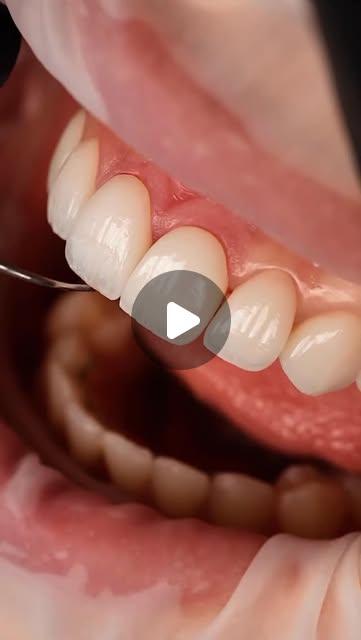
What is composite bonding?
Composite bonding (sometimes called edge bonding or composite veneers when several teeth are covered) is a cosmetic dental treatment in which a tooth-coloured resin is applied directly to the tooth, sculpted and set with a curing light. There is no laboratory stage, so you see the result in the same appointment.
The resin bonds to the tooth surface micro-mechanically, so in most cases healthy enamel does not need to be drilled. The surface is gently roughened and a bonding agent is applied. Your natural tooth structure stays almost entirely intact.
What can composite bonding fix?
Bonding aims to achieve a visible improvement with the least possible intervention. It is often one of the first options considered for younger patients and for healthy teeth with small to moderate cosmetic concerns. Common uses include gaps, chips, worn edges, small teeth and old, discoloured fillings.
- Gaps between the front teeth (diastema)
- Chipped or uneven tooth edges
- Worn or shortened front teeth
- Small or differently shaped teeth, such as peg-shaped lateral incisors
- Localised stains that do not respond to whitening
- Replacing old, discoloured composite fillings
A reversible, tissue-preserving approach
Dt. Mehmet Alp Erdem's approach favours measurable and, where possible, reversible methods. Bonding fits that philosophy well: when no drilling is involved, the composite can later be removed or built upon, and because your own enamel is preserved, options such as porcelain veneers remain open in the future.
Planning still starts with an examination and X-ray to confirm the teeth and gums are healthy, and an intraoral scan to measure tooth length and proportions. When several front teeth are being bonded, a digital design and mock-up let you preview the result in your mouth before treatment.
Composite bonding vs porcelain veneers
Bonding is less invasive, is finished in one visit and is easy to repair. On the other hand, composite is not as colour-stable as porcelain: it can pick up stains over time and needs periodic polishing and eventual replacement. Bonding generally suits smaller changes, while veneers suit bigger changes in colour and shape.
Porcelain veneers resist staining better and usually last longer, but they normally require some enamel preparation and laboratory time. The choice is made together after your examination.
| Feature | Composite bonding | Porcelain veneers |
|---|---|---|
| Enamel preparation | None in most cases | Usually some |
| Visits | Often one visit | Needs laboratory time |
| Colour stability | Can stain over time | Resists staining better |
| Typical lifespan | Usually 3-10 years | Usually longer |
| Suited to | Smaller changes | Bigger changes in colour and shape |
What makes bonding look natural?
A natural result depends as much on technique as on the material. Natural teeth are not a single flat colour: edges are more translucent and the area near the gum is slightly darker. Composite is therefore usually built up in several shades and layers, and the surface texture is matched to the neighbouring teeth.
Proportion matters too. When closing a gap or lengthening an edge, measurements are taken so teeth do not end up looking too wide or too thick. Where helpful, a mock-up shows the result in your mouth first, so where and how much composite is added is decided by the plan rather than by eye.
Risks and limitations
There is no recovery time after bonding, and most people return to normal activities straight away. Composite can stain with coffee, tea, red wine and smoking, and edges can chip; these are usually simple to repair with the same material.
Heavy grinding, a deep bite or major tooth loss can wear bonding quickly, so a different option or a night guard may be advised. If you would like whitening, it should be done first: composite does not lighten with whitening, so its shade is matched to your teeth after whitening.
How long does composite bonding last?
Composite bonding typically lasts 3-10 years, depending on how many teeth are treated, your habits and your aftercare. Polishing at check-ups helps maintain shine and reduce staining. Brush twice a day, clean between your teeth, rinse with water after coffee or red wine, and avoid biting nails, pens or hard objects.
Polishing and small repairs can usually be done by your dentist at home.
How treatment works
- 01
Examination and planning
Teeth and gums are checked clinically and on X-ray, tooth proportions are measured, and a digital design is made if several teeth are involved.
- 02
Shade selection
Usually more than one shade of composite is chosen for a natural look; any whitening is completed first.
- 03
Surface preparation
The tooth is cleaned, gently roughened and coated with a bonding agent, typically without drilling.
- 04
Layering and shaping
Composite is applied in layers, sculpted by hand and set with a curing light.
- 05
Polishing and bite check
The surface is polished, the bite is checked and you receive aftercare advice.
Travelling to Istanbul for composite bonding
Bonding has no laboratory stage, which makes it well suited to a short trip. Before travelling, you can send smile photos and any recent X-rays via WhatsApp for a preliminary review, so you know roughly what to expect. Depending on the number of teeth, bonding is usually completed within 1-3 days.
The examination, planning and treatment take place in the same week. If whitening is planned, allow a few extra days. There is no recovery period, so you can fly home straight afterwards. Polishing and small repairs can be carried out by your dentist at home. Appointments are held in Şişli (Osmanbey) and Gaziosmanpaşa, Istanbul.
Frequently asked questions
Does composite bonding damage your teeth?
In most cases no drilling is needed; the surface is only lightly roughened so the resin can bond. Your natural tooth is largely preserved, and the composite can be removed or replaced later. Limited preparation may be needed when replacing an old filling or treating decay.
How long does composite bonding last?
Composite bonding typically lasts 3-10 years. It depends on your oral hygiene, grinding or biting habits, and how much coffee, tea, red wine or tobacco you consume. Regular polishing and small repairs can extend its life.
Can bonding close a gap between my front teeth?
Yes, small to moderate gaps can often be closed with bonding and no drilling. If the gap is very wide, closing it with composite alone may make the teeth look too broad, so orthodontics or a combined plan may be more suitable. This is assessed with measurements and a design.
Is composite bonding or veneers better for me?
It depends on what you want to change. Bonding is less invasive, reversible and done in one visit, but stains more easily and needs maintenance sooner. Porcelain veneers are more colour-stable and longer lasting but usually need some enamel preparation. Smaller changes suit bonding; larger transformations often suit veneers.
How long do I need to stay in Istanbul for composite bonding?
Because there is no laboratory stage, bonding can often be completed within 1-3 days, depending on how many teeth are treated. If whitening is planned first, allow a few extra days for the shade to settle before bonding.
Does composite bonding stain?
Composite stains more easily than porcelain, especially with coffee, tea, red wine and smoking. Polishing at check-ups refreshes the surface. Composite does not respond to whitening, so if you want whiter teeth, whiten before bonding.
Can chipped bonding be repaired?
Yes. Small chips can usually be repaired in a single visit by adding new composite to the existing material, without replacing the whole restoration. This easy repairability is one of the main advantages of bonding over veneers or crowns.
What affects the cost of composite bonding?
Cost depends on how many teeth are treated, how much composite each tooth needs, whether a digital design and mock-up are included, and whether whitening or other treatment comes first. You receive a written treatment plan with costs after the examination.

Written and reviewed by
Dt. Mehmet Alp ErdemDentist · PhD candidate in Oral and Maxillofacial Surgery, Yeditepe University
Sources
This page is for general information. Diagnosis and treatment decisions are made by the dentist after examination and imaging.
Plan your consultation
If you already have X-rays or a CBCT scan, send them on WhatsApp for a preliminary review before you travel.
Related treatments
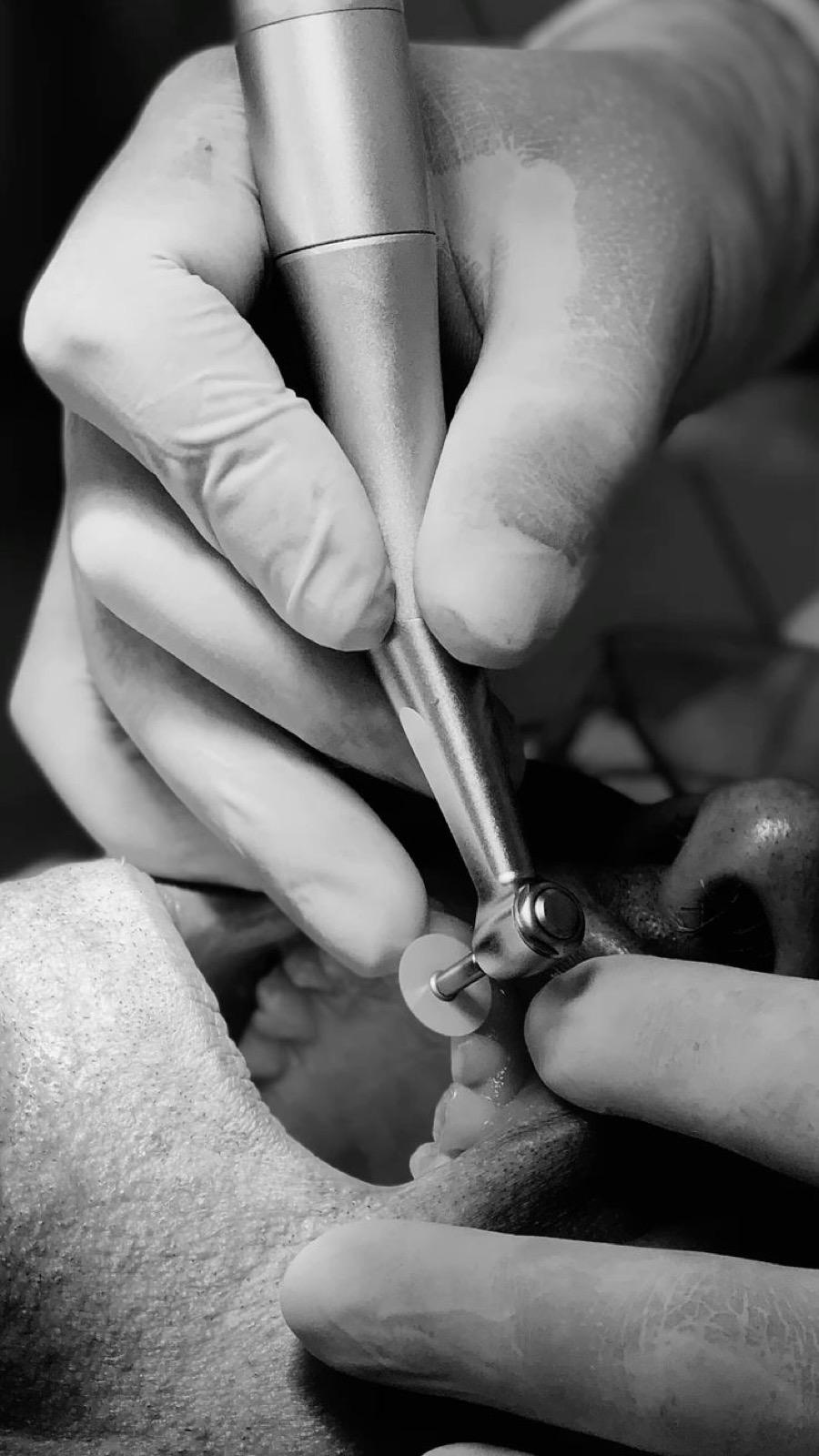
Smile Design (Hollywood Smile)
A digitally planned smile, tried on in your own mouth as a mock-up before any tooth is touched.
Details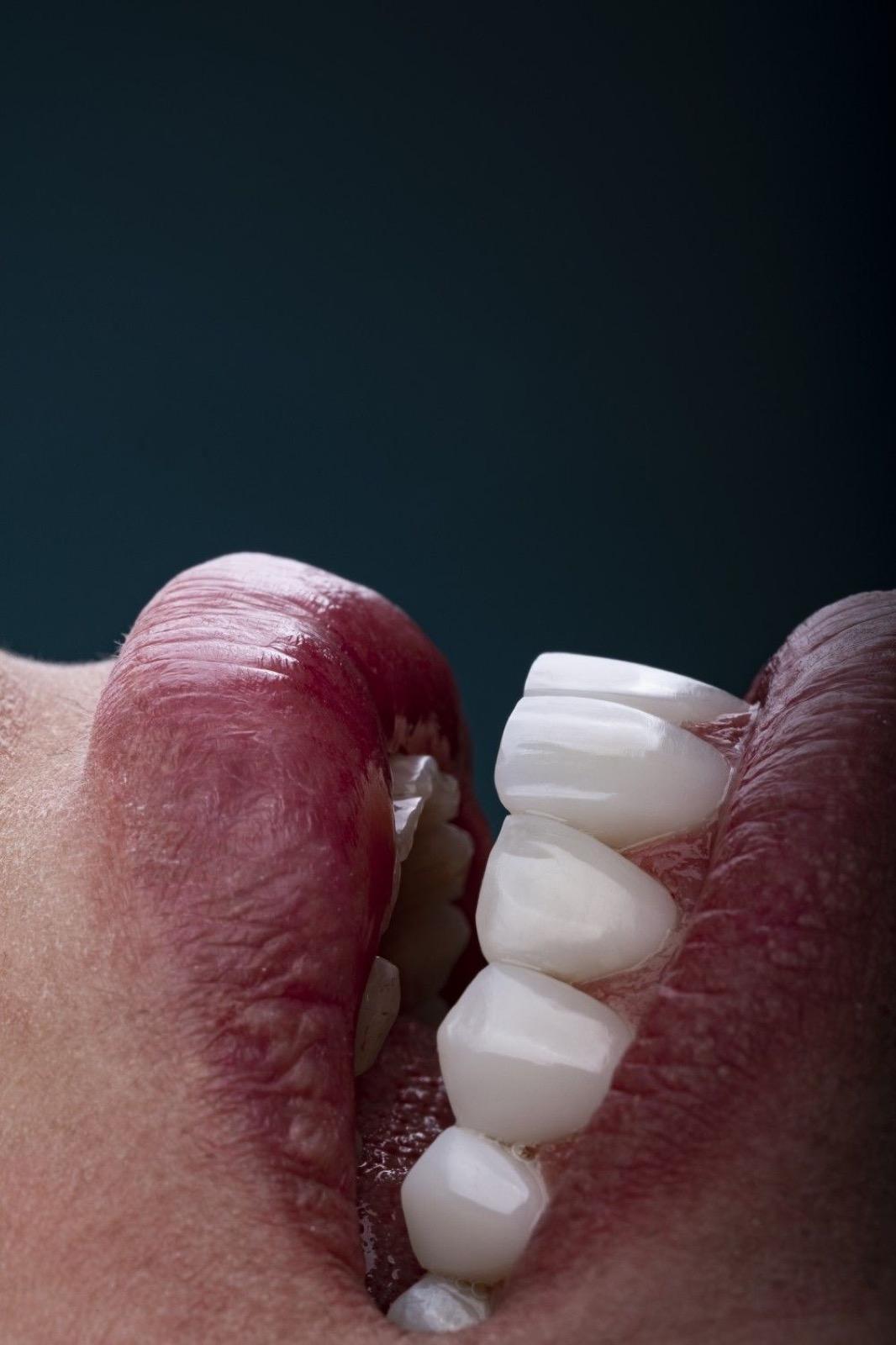
Porcelain Veneers
Thin porcelain shells for the front teeth, planned to keep as much natural enamel as possible.
Details
Teeth Whitening in Istanbul
Dentist-supervised in-office and at-home whitening that lightens your natural tooth colour without removing tooth structure.
Details