Veneers vs Crowns: Differences, Tooth Preparation and Longevity
Medically reviewed by Dt. Mehmet Alp Erdem·Last updated:
In short
Veneers and crowns are both custom restorations, but they differ in coverage. A veneer is a thin shell, typically 0.3-0.7 mm, bonded to the front of a healthy tooth. A crown covers the whole tooth and usually needs around 1-1.5 mm removed from every surface. Veneers suit cosmetic changes; crowns suit teeth that are broken down, heavily filled or root-canal treated.
What is the difference between a veneer and a crown?
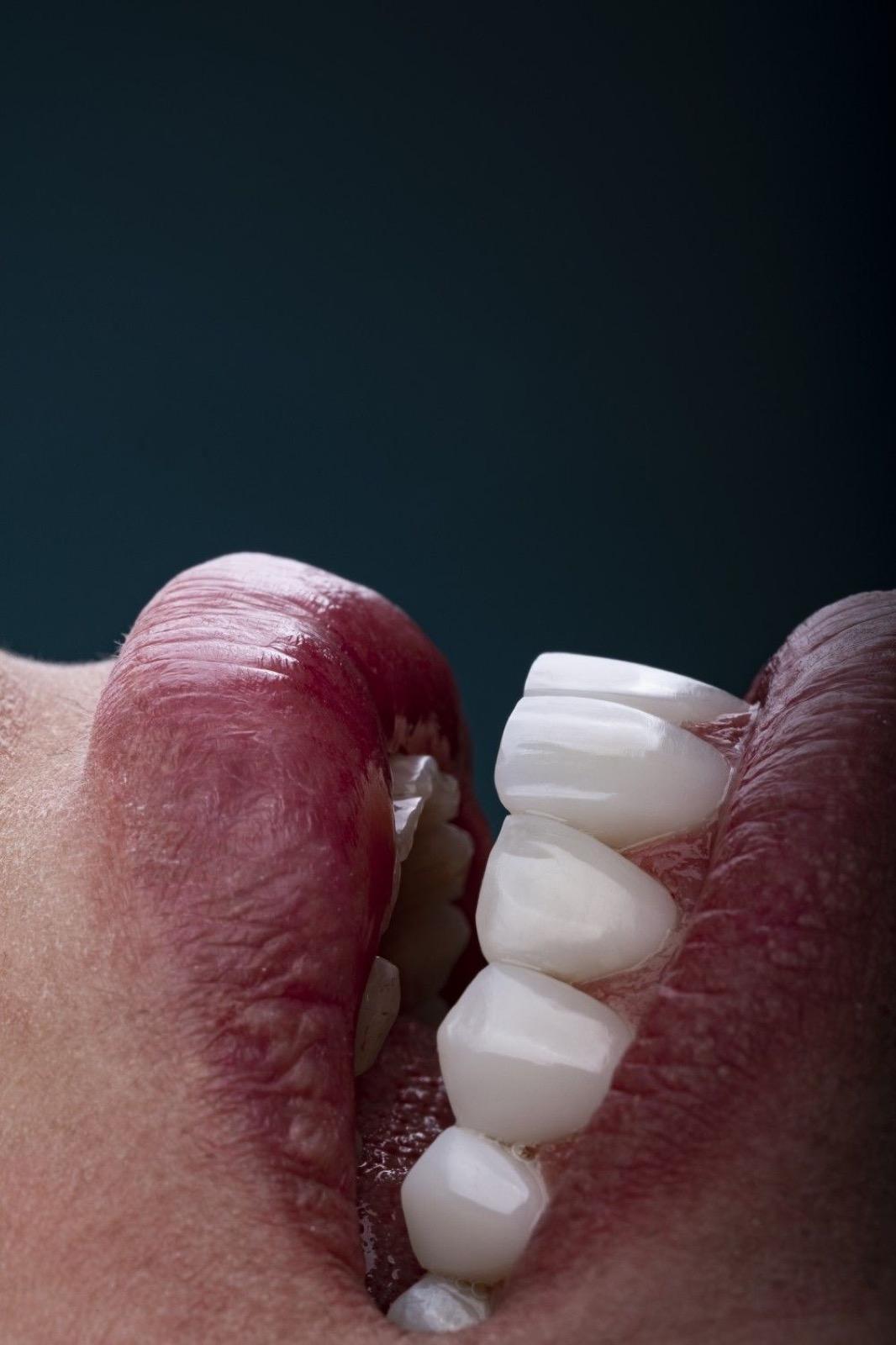
A porcelain veneer is a thin, custom-made ceramic layer bonded to the visible front surface of a tooth, changing colour, shape, length or small gaps while the back and biting surfaces stay natural. A crown, sometimes called a cap, wraps around the entire tooth above the gum line and takes over the job of the outer tooth structure.
That difference in coverage drives everything else: how much tooth has to be removed, which teeth each option suits, and what happens if the restoration ever needs replacing. Both can look natural when well planned, so the choice is less about appearance and more about the condition of the tooth underneath.
Materials overlap too. Veneers are most often made of porcelain (glass ceramic), which is thin and translucent. Crowns may be made of glass ceramic, zirconia or porcelain layered over zirconia; monolithic zirconia is very strong and is a common choice for back teeth, while more translucent ceramics tend to be preferred at the front. The material is chosen for the tooth's position, your bite and the colour of the tooth underneath.
| Feature | Porcelain veneer | Crown |
|---|---|---|
| Coverage | Front surface only | Whole tooth above the gum line |
| Tooth reduction | Typically 0.3-0.7 mm, ideally within enamel | Typically around 1-1.5 mm or more, on all surfaces |
| Usually suits | Healthy teeth: colour, chips, small gaps, shape | Large fillings, cracks, root-filled back teeth, implants |
| Common materials | Porcelain (glass ceramic) | Glass ceramic, zirconia, porcelain over zirconia |
| Average lifespan | Around 10-15 years | 5-15 years, often longer |
How much tooth is removed for veneers vs crowns?
For veneers, preparation is usually limited to the front surface and, in most cases, stays within the enamel layer, typically around 0.3-0.7 mm. Small, spaced or slightly set-back teeth can sometimes take no-prep or minimal-prep veneers with little or no reduction. Teeth that are pushed forward or very dark may need slightly more space for a natural result.
A crown needs room on every side, so the tooth is typically reduced by around 1-1.5 mm, and sometimes more, on all surfaces depending on the tooth and the material. In practice this means considerably more natural tooth structure is removed than for a veneer. It is one of the main reasons crowns are not generally recommended for healthy, intact teeth purely for cosmetic reasons.
Whatever is chosen, removed enamel does not grow back. A prepared tooth will always need a restoration of some kind, which is why the amount of preparation deserves careful thought before treatment starts.
- Veneer: front surface only, typically 0.3-0.7 mm, ideally within enamel
- No-prep or minimal-prep veneer: little or no reduction, only where tooth position allows
- Crown: all surfaces, typically around 1-1.5 mm or more
When is a veneer the right choice, and when is a crown?
Veneers are usually considered for teeth that are structurally healthy but that you want to look different: discolouration that does not respond to whitening, chips, worn edges, small gaps, short or irregularly shaped teeth, and mild alignment issues. They need enough sound enamel to bond to and a bite that does not place heavy force on the front surfaces.
Crowns are generally indicated when a tooth has lost a lot of its own structure. Typical situations include large or failing fillings, a cracked or fractured tooth, a back tooth after root canal treatment, severe wear, or an implant that needs a visible tooth on top. Here the crown protects what is left as well as restoring appearance.
Many smiles involve a mix: veneers on healthy front teeth and crowns on one or two teeth that are already heavily restored. That is a tooth-by-tooth decision made after examination, X-rays and a look at your bite, not something that can be settled from photos alone.
Some situations call for caution with either option. Untreated decay or gum disease should be addressed first. Heavy clenching or grinding increases the risk of chipping and usually means a night guard. Significant crowding may be better treated with orthodontics before, or instead of, restorations. These factors are part of every assessment.
Is composite bonding a reversible alternative?
Composite bonding uses tooth-coloured resin applied directly to the tooth and shaped by hand, often in a single visit. In many cases it needs little or no drilling, which makes it largely reversible: the composite can be polished, repaired, replaced or removed with the natural tooth largely intact.
The trade-off is durability. Composite stains more readily than porcelain and typically lasts around 3-10 years before it needs polishing, repair or replacement, compared with an average of about 10-15 years for porcelain veneers. For small chips, minor gaps or people who want to try a new shape before committing, bonding is often a sensible first step.
Why a mock-up should come before any preparation
A mock-up is a temporary resin model of the planned teeth, placed over your own teeth without any drilling. It lets you see and feel the proposed shape, length and proportions in your own face, speak with it and photograph it before anything irreversible happens.
In the approach used by Dt. Mehmet Alp Erdem, the digital design and mock-up are agreed first, and any preparation is then carried out through that approved design. This means tooth structure is only reduced where the new surface genuinely needs space, rather than being shaped by eye. It also gives you a clear chance to ask for changes or decide that a more conservative option suits you better.
How long do veneers and crowns last?
With good care, porcelain veneers last on average around 10-15 years. Crowns are generally expected to last 5-15 years, and often longer. In both cases the main factors are oral hygiene, grinding or clenching, bite forces, gum health and the condition of the tooth underneath.
Decay can still form at the edges of either restoration, so daily cleaning between the teeth and regular check-ups matter. If you grind your teeth, a night guard helps protect porcelain and zirconia alike. When a veneer or crown eventually needs replacing, it can usually be redone individually rather than repeating a whole set.
Replacement is worth thinking about at the start. Replacing a veneer usually involves removing the old porcelain and bonding a new one, sometimes with a little extra preparation. Replacing a crown means working on a tooth that has already been reduced on all sides, and if decay has developed under the margin the tooth may need further treatment. Choosing the most conservative restoration that meets your goal keeps more options open for the decades ahead.
Planning veneers or crowns in Istanbul
If you are travelling from the UK, Europe, the Gulf, Australia or the USA, you can send recent X-rays and smile photos via WhatsApp for a preliminary view of whether veneers, crowns, bonding or a combination look likely. The final plan is only confirmed after an in-person examination, imaging and an intraoral scan.
Veneers and crowns are usually completed in one trip of around 7-10 working days, covering examination, digital design and mock-up, preparation, laboratory work, try-in and fitting. If decay, gum disease or root canal problems need attention first, the stay may be longer. You receive a written treatment plan, including the materials and costs, before anything begins.
Frequently asked questions
Do veneers or crowns remove more tooth?
Crowns remove considerably more. A veneer typically involves around 0.3-0.7 mm from the front surface only, ideally within enamel, and some teeth need no preparation at all. A crown usually requires about 1-1.5 mm or more from every surface, because it has to cover the whole tooth.
Can I have veneers instead of crowns?
Often, if the tooth is structurally healthy and has enough enamel to bond to. If a tooth has a large filling, a crack, heavy wear or has had root canal treatment, a crown usually protects it better. The decision is made tooth by tooth after examination, X-rays and a bite assessment.
Which lasts longer, veneers or crowns?
Their typical ranges overlap. Porcelain veneers last on average about 10-15 years, and crowns are generally expected to last 5-15 years, often longer. Longevity depends more on hygiene, grinding habits, gum health and the tooth underneath than on the restoration type alone.
Are veneers reversible?
Prepared veneers are not reversible, because removed enamel does not grow back and the tooth will always need a covering. No-prep or very minimal-prep veneers change the natural tooth far less. Composite bonding is the most reversible of the common cosmetic options.
Is composite bonding a good alternative to veneers?
For small chips, minor gaps and modest shape changes, bonding can be a good, conservative option that usually needs little or no drilling. It stains more easily than porcelain and typically lasts around 3-10 years, so it needs more maintenance over time.
What is a mock-up and do I need one?
A mock-up is a temporary resin model of the planned teeth placed over your own teeth without drilling. It shows the proposed shape and length in your face before any preparation. It is strongly recommended for veneers, because it lets you approve or change the design while everything is still reversible.
Do crowns look less natural than veneers?
Not necessarily. Modern ceramic and zirconia crowns can look very natural, especially when the shade and translucency are matched carefully. The bigger difference is how much tooth is removed, not appearance, which is why veneers are usually preferred on healthy front teeth.
How many days do I need in Istanbul for veneers or crowns?
Most patients need one stay of around 7-10 working days, covering examination, design and mock-up, preparation, laboratory work and fitting. Extra days may be needed if fillings, gum treatment or root canal treatment have to be done first. Your timeline is confirmed after examination.
Sources
This page is for general information. Diagnosis and treatment decisions are made by the dentist after examination and imaging.