Aesthetic
Gum Contouring and Crown Lengthening
Medically reviewed by Dt. Mehmet Alp Erdem·Last updated:

What is gum contouring?
Gum contouring is an umbrella term for procedures that reshape the gum line. A gingivectomy removes excess gum tissue, a gingivoplasty sculpts the gum edge into a natural curve, and aesthetic crown lengthening also reshapes the bone beneath the gum when needed.
The goal is to reveal the true length of your teeth and create a symmetrical gum line across the front teeth. Gum contouring can be done on its own or as part of a smile design or veneer plan.
What causes a gummy smile?
A smile that shows a lot of gum can have several causes, and the right treatment depends on which applies. Getting the diagnosis right is therefore the key first step. The main causes are excess gum over the teeth, medication- or inflammation-related overgrowth, worn teeth, a hypermobile upper lip and vertical overgrowth of the upper jaw.
- Gum that stays too far over the teeth after they erupt (altered passive eruption): the classic case for gum contouring
- Gum overgrowth from certain medications or inflammation: the cause is treated first
- Teeth shortened by wear: crown lengthening may be combined with restorations
- A hypermobile upper lip that lifts high when smiling: gum surgery alone may not be enough
- Vertical overgrowth of the upper jaw: orthodontics or jaw surgery may be considered
Planning: measure before you reshape
In Dt. Mehmet Alp Erdem's approach, the plan always comes first. This matters particularly with gums, because there is a natural distance between the gum margin and the underlying bone that must be respected. If it is encroached on, the gum may try to grow back or stay chronically inflamed.
Alongside the clinical exam, periodontal probing is carried out and, where needed, a CBCT scan measures where the bone sits relative to the enamel. Photos and an intraoral scan are used to design the new gum line digitally, and in many cases the planned tooth length is shown with a mock-up first. Only the tissue that needs reshaping is treated.
Gingivectomy vs crown lengthening
If bone levels are healthy and only the gum is excessive, a simple gingivectomy and gingivoplasty may be enough. This is usually quick, may not need stitches and heals faster. If the bone sits too close to the gum margin, aesthetic crown lengthening, which also reshapes the bone, is needed instead.
In crown lengthening, the gum is gently lifted, the bone edge is carefully reshaped, and the gum is stitched in its new position. Crown lengthening is also used to expose enough tooth to restore a fracture or decay that extends below the gum.
Risks and recovery
The procedure is carried out under local anaesthetic. Mild pain, swelling and tenderness for a few days are common and are usually managed with standard painkillers. Soft, lukewarm food, gentle cleaning of the area and the prescribed mouthwash help in the first days.
The gum surface typically heals in 1-2 weeks, but the gum margin takes around 2-3 months to settle into its final position, longer after bone reshaping. If veneers or crowns are planned, final impressions are taken after this period. Less commonly, some gum rebound, temporary sensitivity or small dark triangles between teeth can occur.
| Stage | What to expect |
|---|---|
| Procedure day | Local anaesthetic, usually 30-90 minutes |
| First few days | Mild pain, swelling and tenderness; soft, lukewarm food |
| About 1 week | Review; any stitches are removed |
| 1-2 weeks | Gum surface heals |
| 2-3 months | Gum margin settles; final veneers or crowns after this |
Are the results long-lasting?
When the diagnosis is correct and the natural gum-to-bone distance is respected, the new gum line generally remains stable for the long term. If medication-related overgrowth or inflammation continues, tissue can gradually grow back. Gentle brushing with a soft toothbrush, daily cleaning between teeth and regular check-ups help maintain the result.
Bleeding or swollen gums should be treated early.
How treatment works
- 01
Examination and diagnosis
Smile analysis, periodontal measurements, a panoramic X-ray and, if needed, a CBCT scan identify the cause of the gummy smile.
- 02
Digital planning
Photos and an intraoral scan are used to design the new gum line; the planned tooth length can be previewed with a mock-up.
- 03
Procedure
Under local anaesthetic, excess gum is removed and shaped; if needed, bone is reshaped and the gum is stitched.
- 04
Early review
Healing is checked after about a week and any stitches are removed.
- 05
Settling and next steps
The gum line settles over 2-3 months; final veneers or crowns, if planned, are made after this period.
Travelling to Istanbul for gum contouring
Before travelling, you can send smile photos and any recent X-rays or CBCT scans via WhatsApp for a preliminary review. This gives an early idea of whether your gummy smile is likely to be gum-related; the definitive diagnosis is made in person with measurements and imaging.
For gum contouring alone, plan to stay about 7-10 days to include the procedure and a one-week review. If veneers or crowns are also planned, a second trip around 2-3 months later is usually recommended, once the gum line has settled. Routine check-ups in between can be done by your dentist at home, and you can send photos during healing if you have any concerns. Appointments are held in Şişli (Osmanbey) and Gaziosmanpaşa, Istanbul.
Frequently asked questions
How do you fix a gummy smile?
It depends on the cause. If excess gum covers the teeth, gum contouring or crown lengthening is usually appropriate. If the cause is a very mobile upper lip or an overgrown upper jaw, gum surgery alone may not be enough. The cause is identified with examination, measurements and imaging.
Is gum contouring painful?
It is done under local anaesthetic, so you usually feel only pressure during the procedure. Mild soreness for a few days afterwards is common and is generally controlled with standard painkillers. Crown lengthening involving bone may cause discomfort for a little longer.
How long does it take to recover from gum contouring?
Most people return to normal activities the next day. The gum surface typically heals in 1-2 weeks, while the gum margin takes around 2-3 months to settle fully, and longer if bone was reshaped.
Will my gums grow back after contouring?
When the procedure respects the natural distance between gum and bone, the new gum line usually remains stable. If that distance is not restored, or if medication-related overgrowth or inflammation continues, some tissue may grow back. This is why careful measurement before surgery matters.
What is crown lengthening?
Crown lengthening is a procedure that exposes more of a tooth by reshaping the gum and, where needed, the bone underneath. It is used cosmetically for short-looking teeth and functionally when a fracture or decay extends below the gum line and the tooth needs restoring.
Can I get gum contouring and veneers on the same trip?
Gum contouring can be done on the first trip, but the gum line needs around 2-3 months to settle before final veneers are made. Fitting veneers before the gums settle risks visible margins later, so two trips are usually recommended.
Can I fly after gum contouring?
Flying is generally fine within a day or two after gum contouring, as cabin pressure does not affect gum healing in the way it can after sinus procedures. Ideally, stay for the one-week review before flying home so healing can be checked.
What affects the cost of gum contouring?
Cost depends on how many teeth are involved, whether bone reshaping (crown lengthening) is needed and whether veneers or crowns are planned afterwards. You receive a written treatment plan with costs after the examination and imaging.

Written and reviewed by
Dt. Mehmet Alp ErdemDentist · PhD candidate in Oral and Maxillofacial Surgery, Yeditepe University
Sources
This page is for general information. Diagnosis and treatment decisions are made by the dentist after examination and imaging.
Plan your consultation
If you already have X-rays or a CBCT scan, send them on WhatsApp for a preliminary review before you travel.
Related treatments
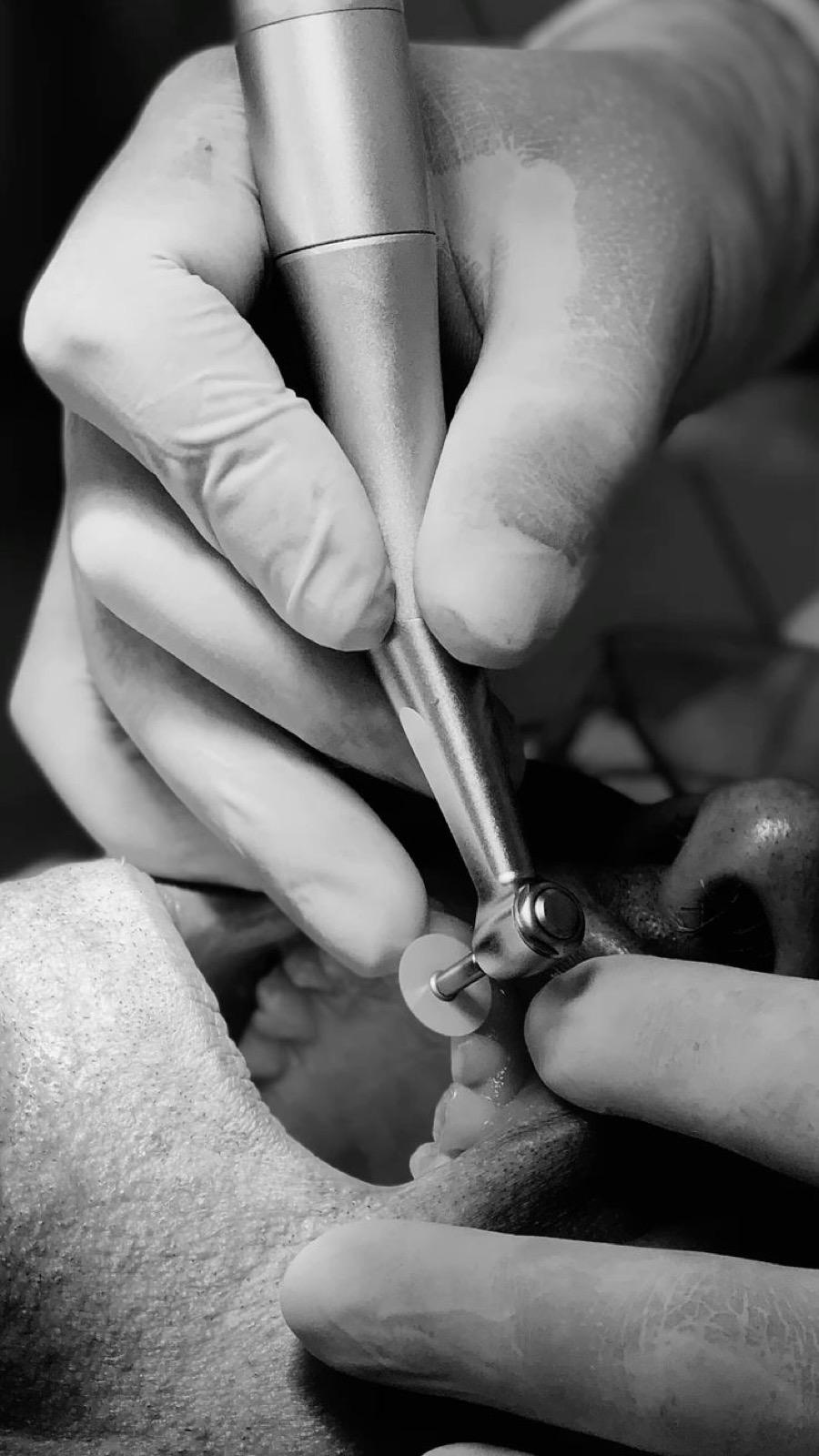
Smile Design (Hollywood Smile)
A digitally planned smile, tried on in your own mouth as a mock-up before any tooth is touched.
Details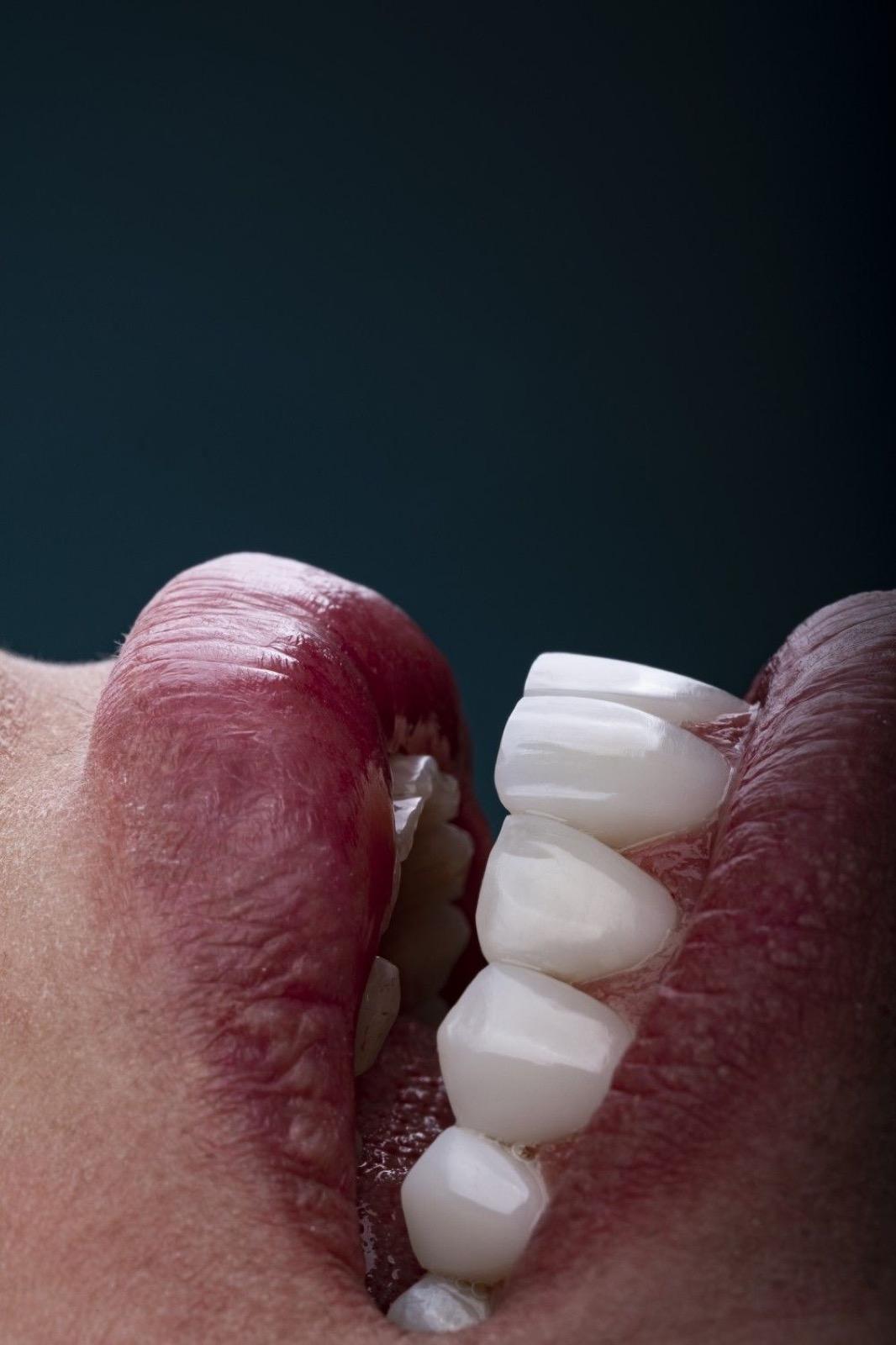
Porcelain Veneers
Thin porcelain shells for the front teeth, planned to keep as much natural enamel as possible.
Details
Gum Disease Treatment in Istanbul
Step-by-step treatment for bleeding gums, gingivitis and periodontitis, from professional cleaning to gum surgery when it is needed.
Details
Zirconia Crowns
Strong, metal-free crowns for teeth that genuinely need full coverage, not as a default for healthy teeth.
Details