Aesthetic
Smile Design (Hollywood Smile)
Medically reviewed by Dt. Mehmet Alp Erdem·Last updated:
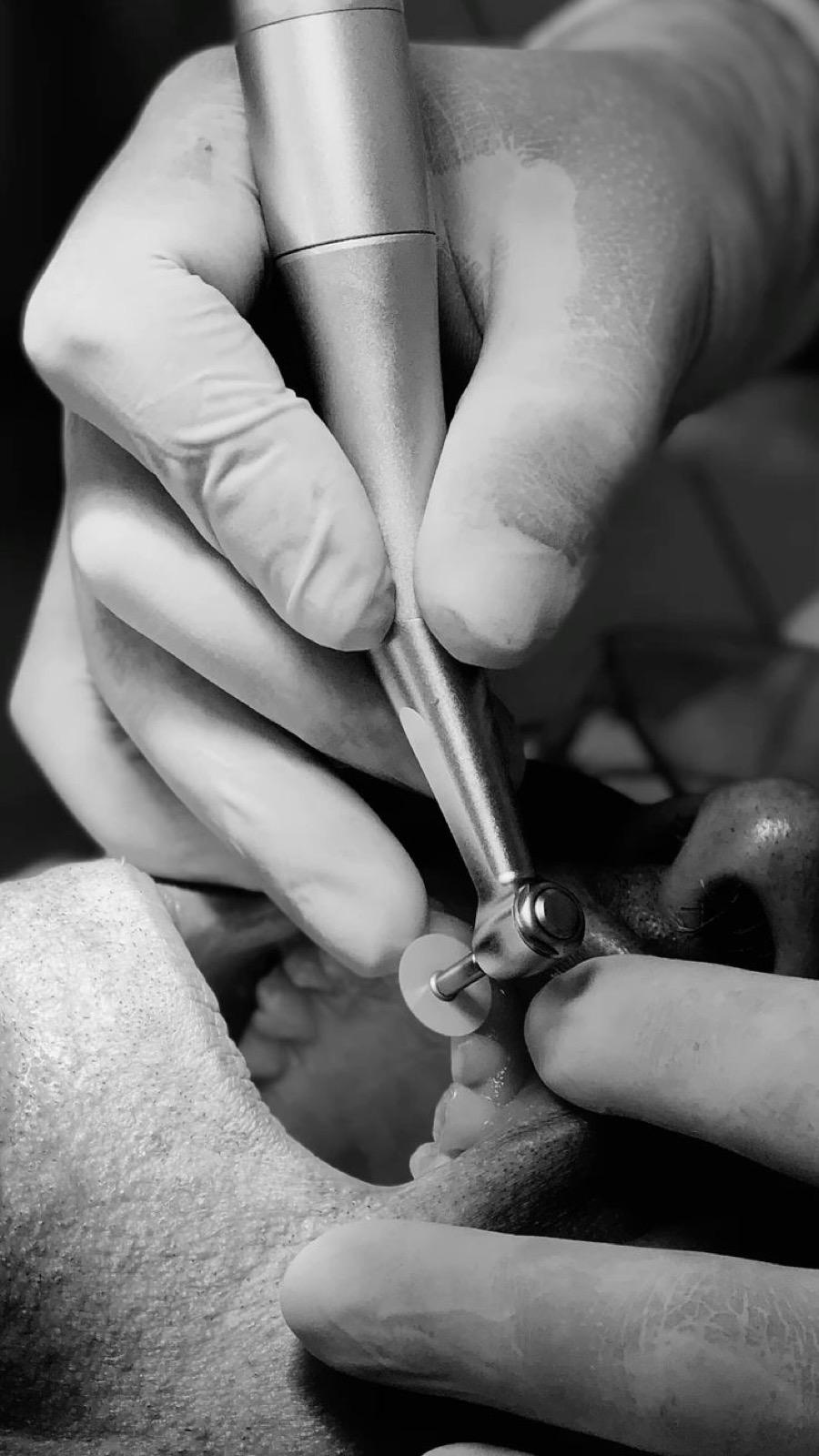
What is digital smile design?
Digital smile design (DSD) is a planning method used before cosmetic dental work begins. Photographs, short videos and a 3D intraoral scan are combined on a computer so the proportions of your teeth, the position of your midline, your lip line and your gum contour can be assessed together, rather than tooth by tooth.
The aim is not simply whiter or straighter teeth. It is a smile that fits your face and your expectations, planned in millimetres so that you and your dentist can discuss real options instead of guesswork.
Who is smile design for?
Smile design suits adults whose teeth and gums are healthy, or can be made healthy first. Decay, gum disease or an infected tooth are treated before any cosmetic work starts. Common reasons include discoloured or mismatched teeth, gaps, chips, short-looking teeth and old fillings that no longer blend in.
- Discoloured teeth, or teeth that do not match each other
- Gaps between the front teeth, chips or worn edges
- Teeth that look short, or a smile that shows a lot of gum
- Old fillings or crowns whose colour or shape no longer blends in
- Mild asymmetry in tooth length or shape
Preview first, prepare later: the mock-up
Dt. Mehmet Alp Erdem starts every treatment with a panoramic X-ray and, where needed, a 3D CBCT scan, followed by an intraoral scan and digital measurements. The plan always comes first and the treatment last. Preserving healthy tissue, and choosing measurable and, where possible, reversible methods, is central to that plan.
Once the digital design is ready, it is transferred onto your teeth with a temporary tooth-coloured material. Nothing is drilled or reshaped at this stage, and the mock-up comes off without changing your teeth. You can look at your new smile in the mirror, in photos and while talking, and anything you would like changed goes back into the design.
The mock-up is also a guide. If veneers are chosen, the amount of enamel that needs to be removed is measured against this design, so preparation is limited to where it is actually needed. For patients travelling from abroad, this means seeing and approving the planned result before any irreversible step is taken.
Treatments a smile design may include
When the plan is agreed, the least invasive option that achieves the goal is chosen for each tooth. Most smile makeovers combine more than one approach. Options include whitening, composite bonding, porcelain veneers, zirconia crowns and gum contouring; whitening is often the first step when colour is the main concern.
- Teeth whitening: often the first step when colour is the main concern.
- Composite bonding: for chips, small gaps and shape changes, usually with little or no drilling.
- Porcelain veneers: thin ceramic shells for bigger changes in colour, shape or length.
- Zirconia crowns: for teeth that are heavily filled, broken down or root-canal treated.
- Gum contouring: to even out an irregular gum line or reduce a gummy smile.
Limits, risks and realistic expectations
A mock-up gives a very close idea of the final shape and proportions, but the final colour and surface texture can differ slightly depending on the material. Where teeth are significantly crowded or rotated, orthodontic treatment first is often the more conservative route.
Depending on the treatment, temporary sensitivity, staining of composite or chipping of porcelain can occur. Clenching or grinding (bruxism) shortens the life of most restorations, so a night guard may be recommended. The final decision is always made after examination and imaging.
How long does a smile makeover last?
Longevity depends on the material, your oral hygiene and your habits. Composite bonding typically lasts 3-10 years before it needs polishing, repair or replacement; porcelain veneers last on average 10-15 years with good care. Brushing twice a day with fluoride toothpaste, cleaning between teeth daily and regular check-ups all help.
Smoking, coffee, tea and red wine increase staining, and biting nails, pens or hard shells can chip restorations. Your dentist at home can carry out routine check-ups and cleaning.
How treatment works
- 01
Examination and imaging
A clinical exam, panoramic X-ray and, if needed, a CBCT scan check the health of your teeth, roots and gums before any cosmetic planning.
- 02
Photos and digital scan
Facial and smile photos are taken, an intraoral scan records your bite in 3D, and your goals are discussed in detail.
- 03
Digital design
Tooth proportions, midline and gum line are planned against your face, and a conservative option is chosen for each tooth.
- 04
Mock-up try-in
The design is placed over your unprepared teeth in temporary material so you can see, test and adjust your new smile.
- 05
Treatment and review
The approved plan is carried out, your bite and fit are checked, and you receive aftercare advice and a follow-up appointment.
Travelling to Istanbul for smile design
Before you book flights, you can send existing X-rays, a CBCT scan and a few smile photos via WhatsApp for a preliminary review. This gives an early idea of which treatments may be involved; the definitive plan is made after an in-person examination and scan.
Bonding- and whitening-based plans can often be completed in a single trip of a few days. Plans with veneers or crowns typically need one stay of about 7-10 working days, covering design, mock-up, preparation and fitting. If gum contouring is required, healing time may mean two shorter trips. Flying is generally fine straight after cosmetic treatment, and routine check-ups can be carried out by your dentist at home. Appointments are held in Şişli (Osmanbey) and Gaziosmanpaşa, Istanbul.
| Plan | Typical stay | Trips |
|---|---|---|
| Mainly bonding and whitening | A few days | One trip |
| Includes veneers or crowns | About 7-10 working days | One stay |
| Includes gum contouring | Healing time added | Possibly two shorter trips |
Frequently asked questions
What does a smile makeover in Turkey actually involve?
It starts with an examination, X-rays and a digital scan, followed by a design that is tried in your mouth as a mock-up. The agreed plan may then include whitening, bonding, veneers, crowns or gum contouring. Which treatments you need depends on your teeth, not on a fixed package.
Will my teeth be shaved down for smile design?
Not necessarily. Planning and the mock-up involve no drilling at all. Whitening and bonding often need little or no preparation. If veneers are chosen, enamel removal is limited to what the design requires, and healthy enamel is preserved wherever possible.
Can I see my new smile before treatment starts?
Yes. A mock-up made from your digital design is placed over your existing teeth in temporary material, so you can see the shape and length in your own mouth and while speaking. The final restorations may differ slightly in colour and texture, but proportions and shape are very close.
How long do I need to stay in Istanbul for smile design?
It depends on the treatments. Bonding and whitening can often be completed within a few days. Plans with porcelain veneers or crowns usually need around 7-10 working days because of laboratory time. If gum contouring is involved, a second visit may be planned after healing.
Am I a good candidate for smile design?
You are likely to be suitable if your teeth and gums are healthy or can be treated first. Severe crowding, heavy grinding, very little remaining enamel or a deep bite can change which options are appropriate. Your suitability is confirmed after examination, X-rays and a scan.
Will the result look natural?
A natural look depends on planning tooth length and shape around your face, lips and age, and on choosing a realistic shade. Very bright white teeth or identical tooth shapes tend to look artificial. The mock-up stage lets you judge colour and shape before anything is finalised.
What affects the cost of smile design?
Cost depends on how many teeth are treated, which materials are used (composite, porcelain or zirconia), whether gum contouring is needed and whether any other treatment must be done first. You receive a detailed written treatment plan with costs after the examination and digital planning.
Does smile design hurt?
Planning, scanning and the mock-up need no anaesthetic. Steps such as veneer preparation or gum contouring are done under local anaesthetic. Some mild sensitivity for a few days afterwards is common and usually settles on its own.
Guides
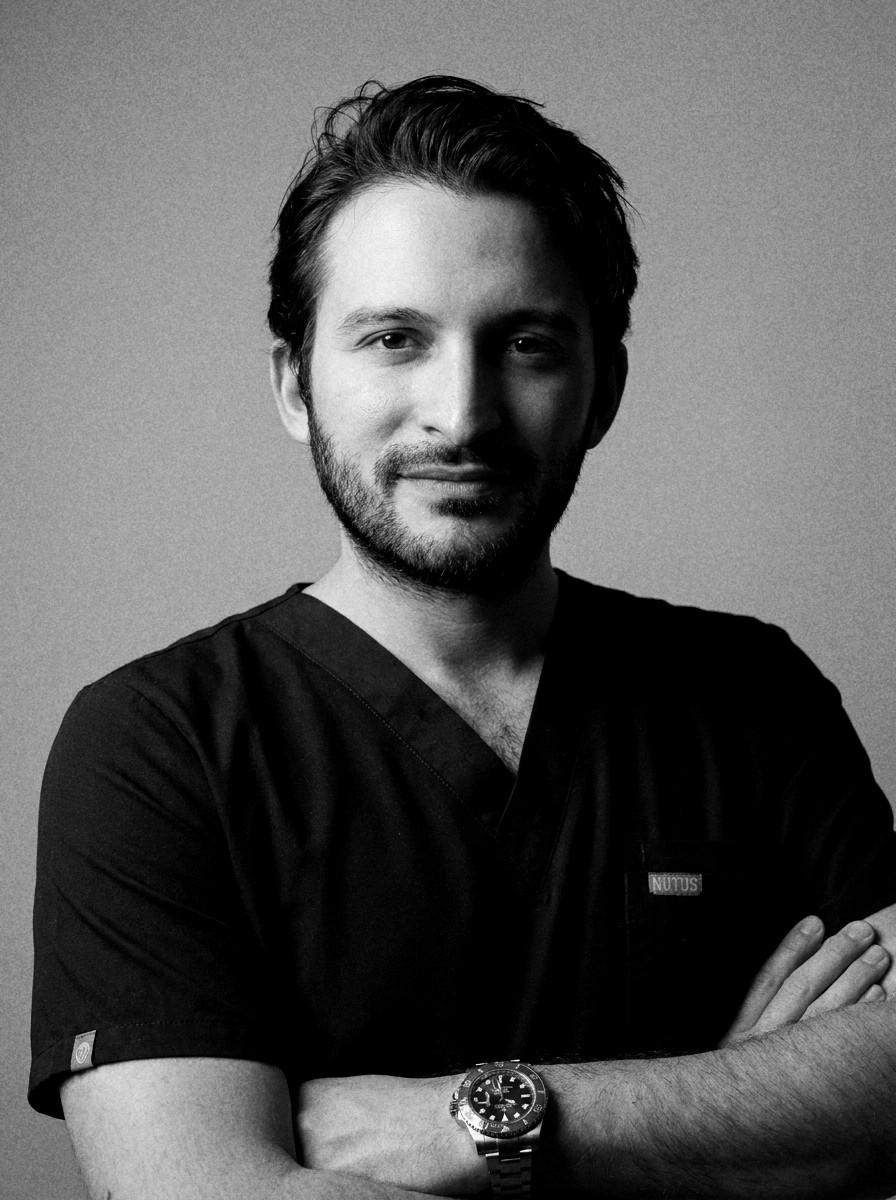
Written and reviewed by
Dt. Mehmet Alp ErdemDentist · PhD candidate in Oral and Maxillofacial Surgery, Yeditepe University
Sources
This page is for general information. Diagnosis and treatment decisions are made by the dentist after examination and imaging.
Plan your consultation
If you already have X-rays or a CBCT scan, send them on WhatsApp for a preliminary review before you travel.
Related treatments
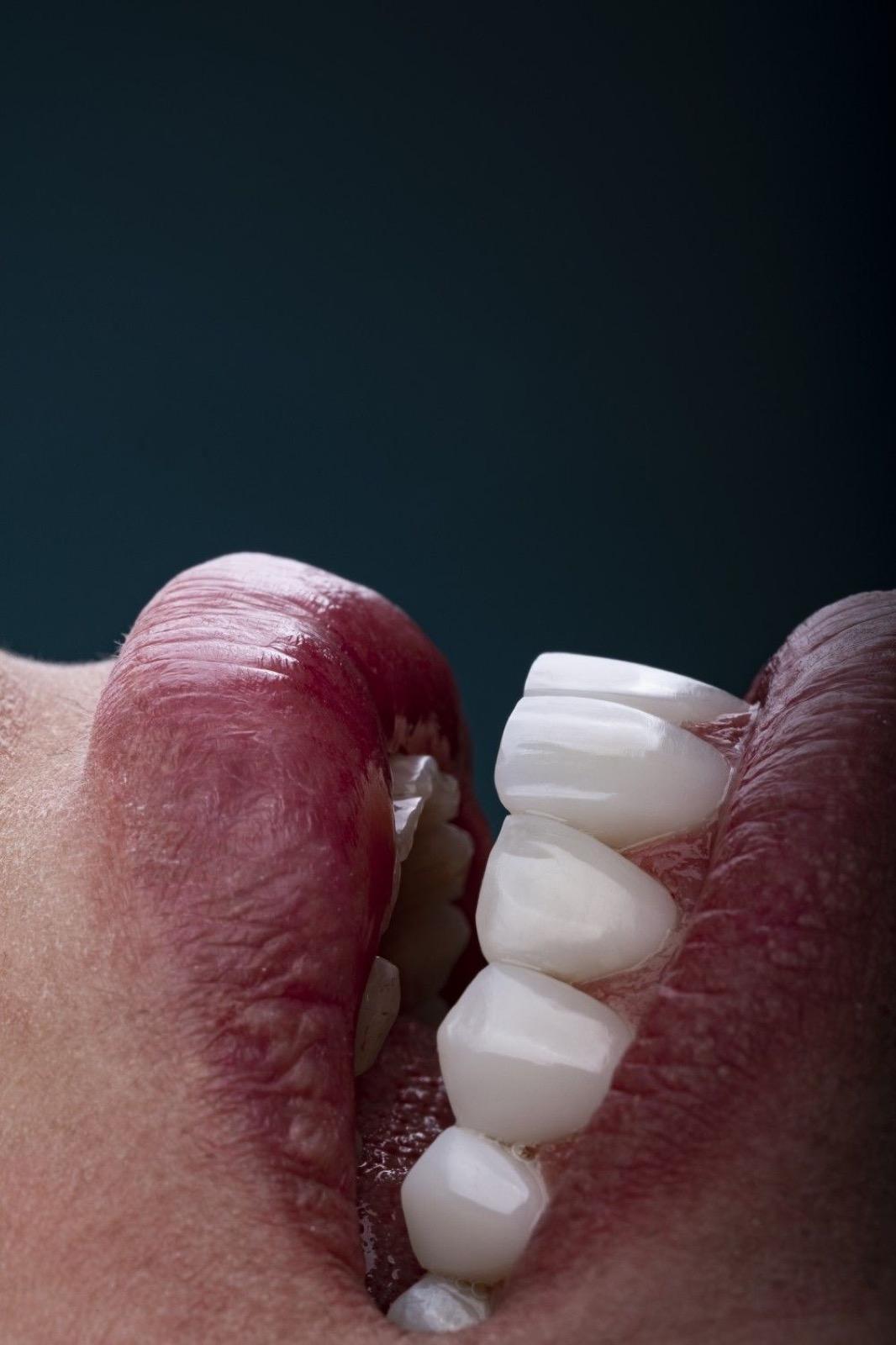
Porcelain Veneers
Thin porcelain shells for the front teeth, planned to keep as much natural enamel as possible.
Details
Composite Bonding
Tooth-coloured resin sculpted onto your teeth to close gaps and fix chips, often with no drilling and in one visit.
Details
Gum Contouring and Crown Lengthening
Reshaping an uneven or excessive gum line, planned around its cause, to reveal more of your natural teeth.
Details
Teeth Whitening in Istanbul
Dentist-supervised in-office and at-home whitening that lightens your natural tooth colour without removing tooth structure.
Details