Implants
Zygomatic Implants in Istanbul
Medically reviewed by Dt. Mehmet Alp Erdem·Last updated:

What are zygomatic implants?
Zygomatic implants are extra-long dental implants anchored in the cheekbone (zygoma) rather than the upper jawbone. They are used only in the upper jaw, when bone loss has left too little bone to hold a conventional implant, and usually support a fixed full-arch bridge planned in a single surgical stage.
When teeth have been missing for years, when a denture has been worn for a long time, or after advanced gum disease, the upper jawbone gradually shrinks. In the back of the upper jaw, the maxillary sinus also tends to expand downwards. Eventually there may be only a few millimetres of bone left — not enough to hold a conventional implant.
Zygomatic implants are considerably longer than standard implants. They are placed from inside the mouth, start in the back of the upper jaw and pass alongside or through the sinus to anchor in the dense bone of the cheekbone. For carefully selected patients, this allows fixed teeth to be planned in a single surgical stage rather than months of staged bone reconstruction.
Who are they for — and who are they not for?
Zygomatic implants are an advanced surgical option, not a routine alternative to standard implants. They are considered when upper-jaw bone loss is too severe for standard implants, when grafting is unsuitable, or when previous grafts or implants have failed. The main situations described in published reviews are listed below.
If there is enough bone, or if bone can be rebuilt reasonably with a sinus lift or grafting, zygomatic implants are generally not the first choice. Active sinus disease, poorly controlled medical conditions and heavy smoking can also change the plan. Suitability can only be confirmed by CBCT and clinical examination.
- Severe bone loss in the upper jaw, particularly at the back
- Previous bone grafts or implants that have failed
- Patients for whom extensive grafting is medically undesirable
- Reconstruction after trauma or tumour surgery of the upper jaw
Assessment and planning
This treatment depends above all on imaging. Dt. Mehmet Alp Erdem assesses each case with a panoramic X-ray and a wide-field CBCT scan to measure remaining bone, sinus health, cheekbone dimensions and nearby structures such as the eye socket. Intraoral scans are used to design where the new teeth should sit.
Dt. Erdem is a dentist focused on oral surgery and implantology and a PhD candidate in Oral and Maxillofacial Surgery at Yeditepe University.
Quite often, this analysis shows that a less extensive option — a sinus lift, bone grafting, short or tilted implants, or an implant-retained overdenture — will do the job. The aim is the least invasive approach that genuinely solves the problem. When zygomatic implants are the right choice, they are typically combined with standard implants at the front, or placed two per side when the front bone is also insufficient.
What does treatment involve?
Because of its length and complexity, the procedure is usually carried out under deep sedation or general anaesthesia. The implants are placed at the planned angles, their stability is measured and, in suitable cases, a fixed temporary bridge is attached within a few days. Because zygomatic implants are splinted together by a bridge, early loading is often possible.
During healing, a soft diet is advised and anything that puts pressure on the sinus — such as forceful nose-blowing — should be avoided. The final bridge is usually made after around 4-6 months.
Risks and possible complications
Systematic reviews report high long-term implant survival in appropriately selected patients, but this is advanced surgery with a different risk profile from standard implants. Sinusitis is the most frequently reported problem. Others include soft-tissue issues around the implant, an opening between the mouth and the sinus, temporary facial numbness and swelling; serious complications involving the eye socket are very rare.
That is why detailed 3D planning, a pre-operative sinus assessment and regular follow-up are integral to treatment. Noticeable facial swelling and bruising are expected for the first days and usually settle within one to two weeks.
Long-term care
A zygomatic implant bridge needs the same daily care as any fixed implant bridge: brushing twice a day, plus a water flosser and interdental brushes under the bridge. At reviews once or twice a year, the bridge may be removed so the tissues around the implants and the sinus can be assessed.
Report symptoms such as persistent nasal congestion, sinus pain or discharge around an implant promptly. Problems picked up early can usually be managed more simply.
How treatment works
- 01
Preliminary review
Send an existing X-ray or CBCT scan for an initial opinion on whether zygomatic implants are likely to be needed at all.
- 02
Examination and wide-field CBCT
Bone, sinuses and cheekbones are analysed in 3D, with sinus health assessed separately where needed.
- 03
Digital design and written plan
Tooth positions are designed, implant number and angles planned, and alternatives and stages set out in writing.
- 04
Surgery and fixed temporary bridge
Implants are placed under sedation or general anaesthetic; in suitable cases a fixed temporary bridge follows within days.
- 05
Final bridge and follow-up
The final bridge is usually fitted after 4-6 months, followed by a regular review schedule.
Travelling to Istanbul for zygomatic implants
Start by sending any existing panoramic X-ray or CBCT scan by WhatsApp. A preliminary review gives an early view on whether zygomatic implants are likely to be needed or whether a simpler approach such as a sinus lift may be enough. The final decision is always made after a new CBCT scan and examination in Istanbul.
Treatment usually involves two trips. For surgery and the fixed temporary bridge, plan to stay around 10-14 days so swelling can settle, the sinus area can be checked and you are cleared to fly. The second visit, roughly 4-6 months later, lasts about 7-10 days for fitting the final bridge.
Between visits, you can share photos and questions by WhatsApp, and you will receive a written summary of the treatment for your local dentist or doctor. Consultations take place in Şişli (Osmanbey) and Gaziosmanpaşa.
| Stage | Where | Typical length |
|---|---|---|
| Preliminary review of existing X-ray or CBCT | Remote (WhatsApp) | Before booking |
| Trip 1: examination, new CBCT, surgery, fixed temporary bridge | Istanbul | About 10-14 days |
| Healing | At home | About 4-6 months |
| Trip 2: final bridge | Istanbul | About 7-10 days |
Frequently asked questions
Am I a candidate for zygomatic implants?
You may be if bone loss in your upper jaw is too severe for standard implants, if grafting is unsuitable, or if previous grafts or implants have failed. Many people who are told they have 'no bone' turn out to be suitable for a sinus lift or tilted implants instead. Only a CBCT scan and examination can confirm candidacy.
How are zygomatic implants different from regular implants?
Regular implants are anchored in the jawbone and are typically around 8-13 mm long. Zygomatic implants are much longer and anchor in the cheekbone instead. They are used only in the upper jaw for severe bone loss and require more extensive planning, anaesthesia and surgical experience.
Zygomatic implants or bone grafting — which is better?
It depends on how much bone has been lost. For moderate loss, a sinus lift or bone graft is usually simpler and more appropriate. For severe loss, zygomatic implants can avoid long, multi-stage grafting and allow fixed teeth sooner. The decision is based on your CBCT findings and medical history.
How long do I need to stay in Istanbul?
For the surgical stage, plan on around 10-14 days so swelling can settle and the temporary bridge and healing can be checked before you fly. A second trip of about 7-10 days usually follows 4-6 months later to fit the final bridge. Your exact schedule is confirmed after your scan.
Can I fly after zygomatic implant surgery?
Because zygomatic implants are closely related to the sinus, flying is usually advised only after the first post-operative review, typically 7-10 days or more after surgery. Avoid blowing your nose forcefully during this time. Your fly-home date is confirmed once healing has been checked.
What are the risks of zygomatic implants?
Sinusitis is the most commonly reported complication. Others include soft-tissue problems around the implant, a connection between the mouth and sinus, temporary facial numbness and swelling. Serious complications around the eye socket are very rare. Thorough 3D planning and sinus assessment are key to reducing risk.
Can zygomatic implants be used in the lower jaw?
No. They anchor in the cheekbone, so they are used only in the upper jaw. For severe bone loss in the lower jaw, options such as short implants, bone grafting or an implant-retained overdenture are considered instead.
What determines the cost of zygomatic implants?
Cost depends on the number of zygomatic and standard implants, the type of anaesthesia, any sinus treatment needed beforehand, and the temporary and final bridge materials. As this is advanced treatment, a reliable plan is only possible after examination and a CBCT scan, after which you receive a written plan.
Guides
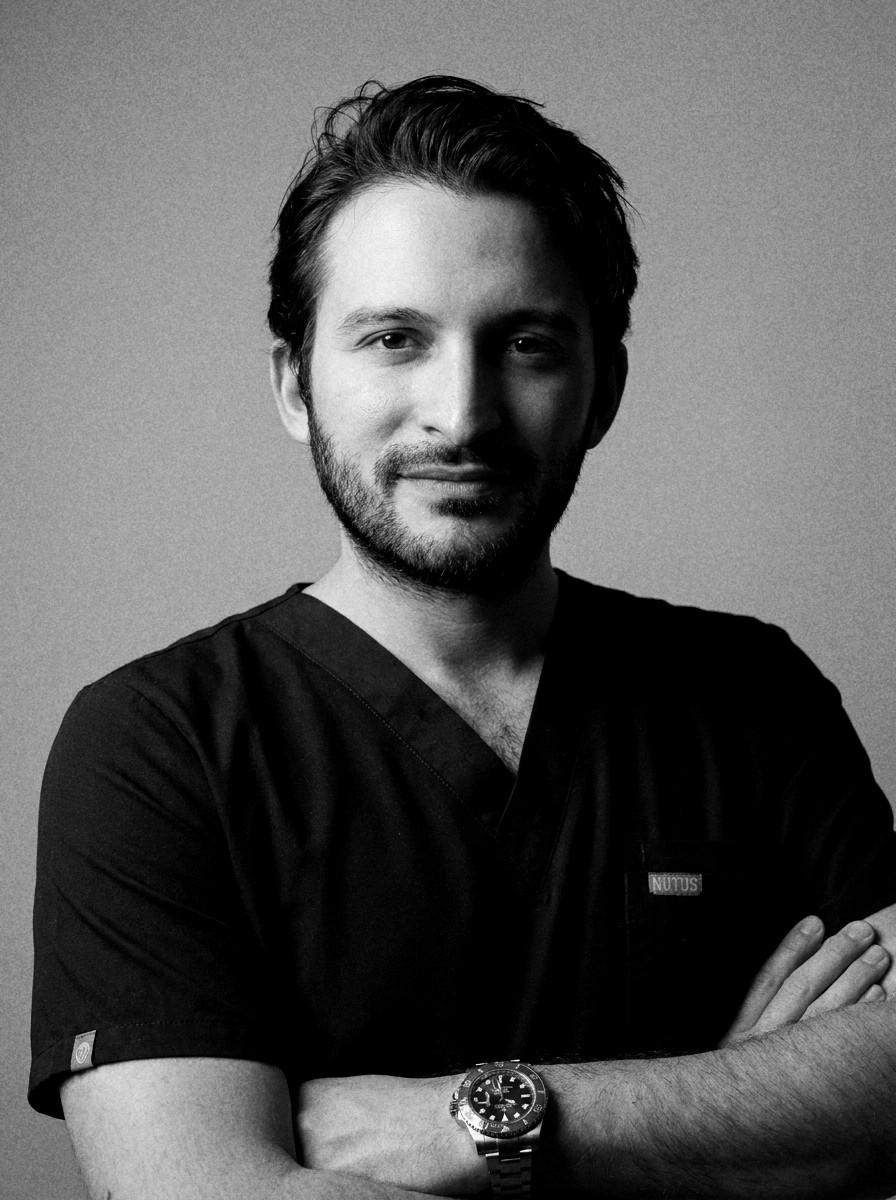
Written and reviewed by
Dt. Mehmet Alp ErdemDentist · PhD candidate in Oral and Maxillofacial Surgery, Yeditepe University
Sources
This page is for general information. Diagnosis and treatment decisions are made by the dentist after examination and imaging.
Plan your consultation
If you already have X-rays or a CBCT scan, send them on WhatsApp for a preliminary review before you travel.
Related treatments

All-on-4 & Full Mouth Dental Implants in Istanbul
A fixed full-arch bridge on 4-6 implants for people with no teeth or failing teeth — candidacy, timeline, trips to Istanbul and aftercare.
Details
Sinus Lift in Istanbul
Rebuilding bone height under the sinus so upper back teeth can be replaced with implants — lateral vs crestal, healing and flying.
Details
Dental Bone Grafting in Istanbul
Rebuilding lost jawbone so implants have a stable foundation — graft types, when grafting is needed, healing time and trips to Istanbul.
Details
Dental Implants in Istanbul
A titanium or zirconia root placed in the jawbone to replace a missing tooth — planning, healing time, trips to Istanbul and aftercare.
Details