Aesthetic
Porcelain Veneers
Medically reviewed by Dt. Mehmet Alp Erdem·Last updated:
What are porcelain veneers?
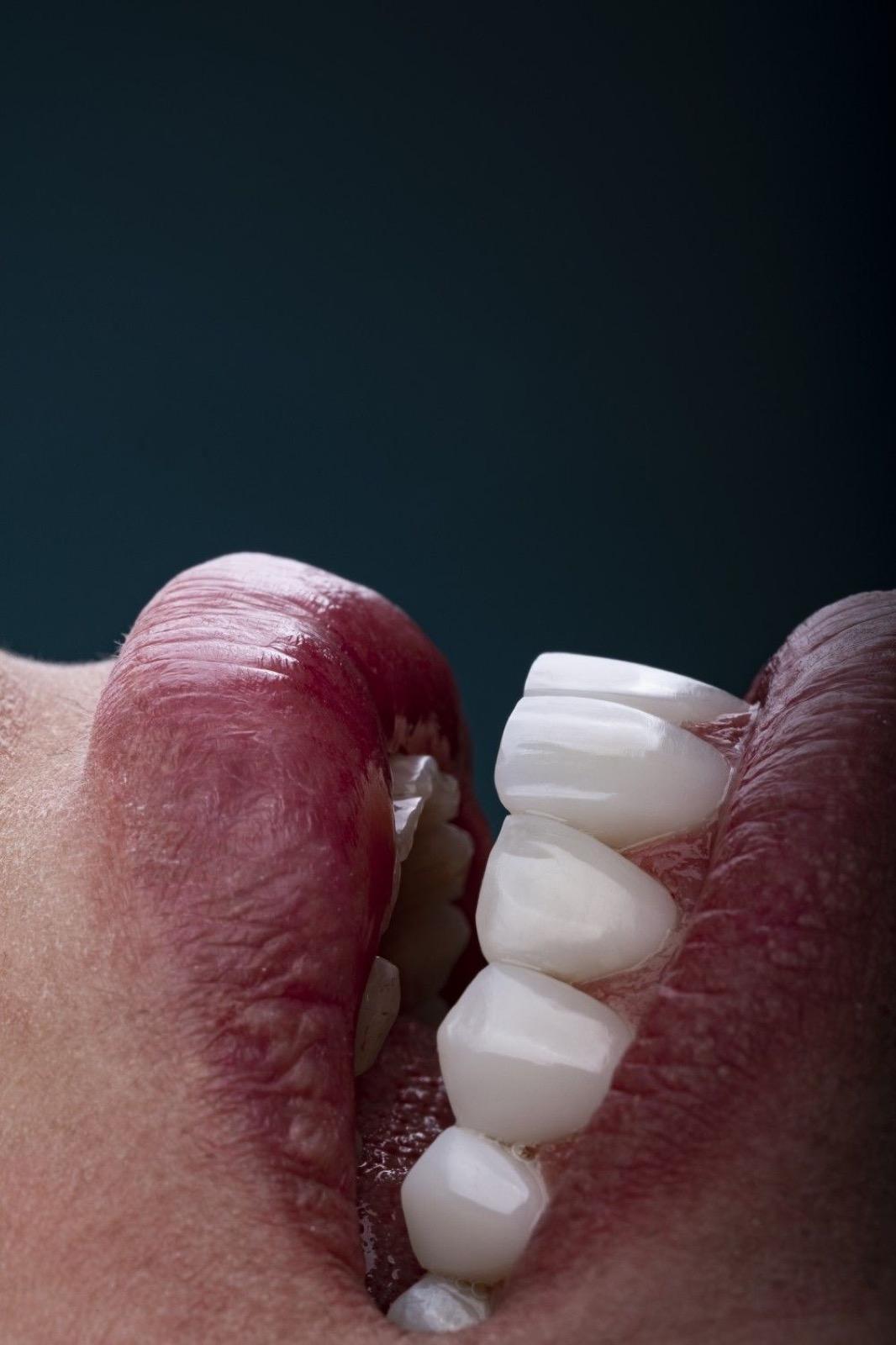
A porcelain veneer is a custom-made ceramic shell bonded to the visible surface of a tooth. Porcelain reflects light much like natural enamel and has a glazed surface, so it resists staining better than composite resin. That is why veneers are widely used to change the colour, shape and proportions of the front teeth.
Veneers are often confused with crowns. A crown wraps around the entire tooth and usually requires about 1-2 mm of tooth structure to be removed all the way round. A veneer covers only the front and, in most cases, needs far less preparation, ideally staying within the enamel layer.
Minimal-prep and no-prep veneers, where possible
Dt. Mehmet Alp Erdem's approach is to preserve healthy enamel wherever possible. When teeth are small, spaced or slightly set back, veneers can sometimes be fitted with no preparation at all, or with only a light surface preparation. Keeping preparation within enamel also gives the bonding a more reliable surface.
How much enamel is removed is decided from the digital design and mock-up, not by eye. Once you have seen and approved the mock-up in your mouth, any preparation is made through that design, so tooth structure is only reduced where the new surface genuinely needs space. If teeth are pushed forward or very dark, slightly more preparation may be needed for a natural result.
It is important to be clear: once enamel has been removed, it does not grow back, and the tooth will always need a veneer or other restoration. That is why veneers are recommended only when whitening, bonding or orthodontics cannot reach your goal on their own.
Who is a good candidate, and who is not?
Veneers suit adults with healthy teeth and gums who want a noticeable cosmetic change. They are considered for discolouration that does not respond to whitening, gaps between front teeth, chips and wear, short or irregularly shaped teeth, and mild alignment issues. Active decay, gum disease or unmanaged grinding usually means waiting.
Veneers may need to wait, or another option may be more appropriate, if you have:
- Active decay or untreated gum disease
- Heavy clenching or grinding that is not managed with a night guard
- A deep overbite or edge-to-edge bite
- Teeth with large fillings, root canal treatment or major structural loss (a crown may be more suitable)
- Significant crowding, where orthodontics first may be more conservative
- Very little enamel left on the teeth
Veneers vs bonding vs crowns
Composite bonding can often be done in one visit with little or no drilling, and it is reversible; however, it stains more easily and typically needs repair or replacement sooner. Porcelain veneers give more control over colour and shape and usually last longer, in exchange for some enamel preparation and laboratory time.
Crowns are generally reserved for teeth that are already weakened. Crowning a healthy tooth purely for appearance removes more tooth structure than necessary. Which option fits each tooth is decided together after examination and imaging.
| Option | Tooth preparation | Visits | Suited to |
|---|---|---|---|
| Composite bonding | Little or none; reversible | Often one visit | Small shape and gap corrections |
| Porcelain veneers | None or 0.3-0.7 mm from the front | 2-3 visits over 7-10 working days | Noticeable change in colour, shape and proportion |
| Crown | About 1-2 mm all the way round | Planned after examination | Teeth that are already weakened |
Risks, sensitivity and recovery
Veneers are not surgery, so there is no healing period. Prepared teeth can be sensitive to hot and cold for a few days, which usually settles on its own. Your tongue and lips adapt to the new shape within a few days.
Porcelain is strong but can chip or, rarely, debond under heavy force. Decay can still develop at the edges of a veneer, so cleaning between teeth matters. If you grind your teeth, a night guard helps protect the veneers.
How long do veneers last and how do I care for them?
With good care, porcelain veneers last on average 10-15 years, depending on your hygiene, bite and habits. Brush twice a day with fluoride toothpaste, clean between your teeth every day and keep up regular check-ups and hygiene visits, which your dentist at home can provide.
Avoid biting nails, pens or hard shells, and wear a mouthguard for contact sports. If gums recede over time, the edges may become visible and a veneer may need to be replaced.
How treatment works
- 01
Examination and imaging
A clinical exam, panoramic X-ray and, if needed, a CBCT scan confirm your teeth and gums are healthy and that veneers are appropriate.
- 02
Digital design and mock-up
An intraoral scan and photos produce a design that is tried in your mouth as a mock-up, with no drilling.
- 03
Minimal preparation and scan
If needed, teeth are prepared under local anaesthetic through the mock-up, a digital impression is taken and temporaries are placed.
- 04
Try-in and bonding
The laboratory-made veneers are checked for shade and fit, then bonded in place and your bite is adjusted.
- 05
Review
Gum health and bite are reviewed, a night guard is made if needed, and you receive aftercare advice to take home.
Travelling to Istanbul for veneers
Before booking, you can send recent X-rays and a few smile photos via WhatsApp for a preliminary review. This helps you understand whether veneers are likely to be suitable and roughly how many teeth may be involved; the final plan is confirmed after an in-person examination.
Veneers can usually be completed in a single trip of about 7-10 working days. There is no surgical recovery, so flying home straight after bonding is generally fine. Bring a night guard home if one is recommended, and arrange routine check-ups and hygiene visits with your local dentist. If something chips or feels wrong after you return, you can send photos for advice. Appointments are held in Şişli (Osmanbey) and Gaziosmanpaşa, Istanbul.
Frequently asked questions
How much of my teeth will be shaved for veneers?
In most cases, around 0.3-0.7 mm is removed from the front surface only, ideally staying within the enamel. Small or spaced teeth may need no preparation at all. The amount is set by the approved mock-up and is considerably less than for a crown, which requires reduction all around the tooth.
Can I have no-prep veneers?
Possibly. No-prep veneers work well when teeth are small, spaced or slightly set back. On teeth that are already forward or very dark, adding porcelain without any preparation can look bulky or unnatural. A digital design and mock-up show whether no-prep is realistic for your teeth.
What is the difference between veneers and crowns?
A veneer is a thin shell that covers only the front surface and usually needs minimal enamel removal. A crown covers the whole tooth and requires more tooth structure to be removed all the way around. Crowns are better suited to teeth that are broken down, heavily filled or root-canal treated.
How long do porcelain veneers last?
With good oral hygiene and regular check-ups, porcelain veneers typically last around 10-15 years. Grinding, biting hard objects and gum recession can shorten that. If one veneer chips or wears, it can usually be replaced individually rather than redoing the whole set.
How many days do I need in Istanbul for veneers?
Most patients need one stay of about 7-10 working days. This covers the examination, digital design and mock-up, preparation and scanning, laboratory time, and the final try-in and bonding. Extra days may be needed if fillings, gum treatment or other work must be done first.
Are veneers reversible?
Prepared veneers are not reversible: once enamel is removed, the tooth will always need a covering. Veneers themselves can be removed and replaced. No-prep or very minimal-prep veneers change the natural tooth far less, which is one reason they are preferred where they are suitable.
Will my teeth be sensitive after veneers?
Some sensitivity to hot and cold is common for a few days after preparation and bonding, and usually settles without treatment. Keeping preparation within enamel helps reduce this. Persistent pain or pain when biting should be checked by a dentist.
What affects the cost of veneers?
Cost depends on how many teeth are treated, the type of porcelain used, and whether whitening, fillings or gum treatment are needed first. After your examination, imaging and digital design, you receive a detailed written treatment plan with costs before anything is started.
Guides
- Is It Safe to Get Dental Treatment in Turkey? What to Check
- Zirconia vs E.max Crowns and Veneers: Which Is Right for You?
- Veneers vs Crowns: Differences, Tooth Preparation and Longevity
- How to Choose a Dentist in Turkey: A Practical Checklist
- Aftercare After Dental Treatment Abroad: What to Do When You Get Home
Written and reviewed by
Dt. Mehmet Alp ErdemDentist · PhD candidate in Oral and Maxillofacial Surgery, Yeditepe University
Sources
This page is for general information. Diagnosis and treatment decisions are made by the dentist after examination and imaging.
Plan your consultation
If you already have X-rays or a CBCT scan, send them on WhatsApp for a preliminary review before you travel.
Related treatments
Smile Design (Hollywood Smile)
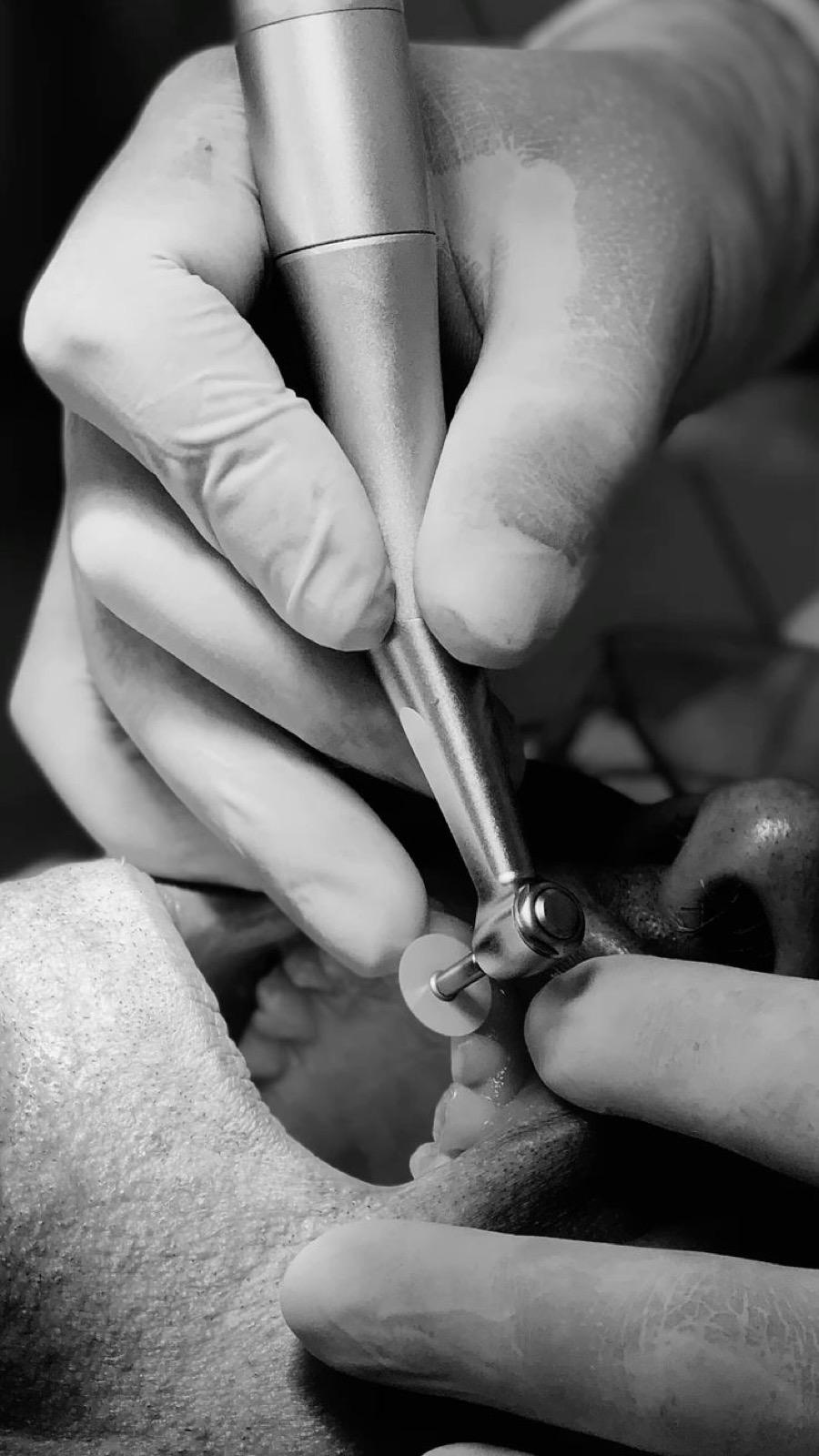
A digitally planned smile, tried on in your own mouth as a mock-up before any tooth is touched.
Details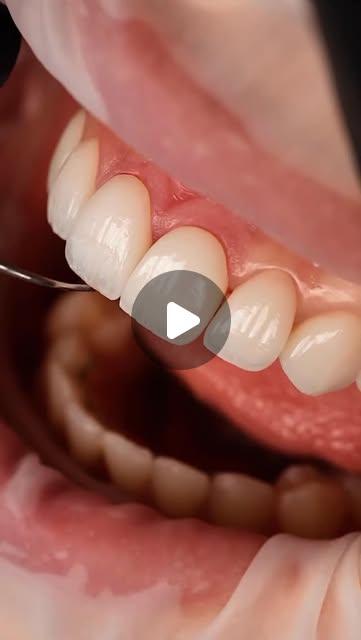
Composite Bonding
Tooth-coloured resin sculpted onto your teeth to close gaps and fix chips, often with no drilling and in one visit.
Details
Zirconia Crowns
Strong, metal-free crowns for teeth that genuinely need full coverage, not as a default for healthy teeth.
Details
Teeth Whitening in Istanbul
Dentist-supervised in-office and at-home whitening that lightens your natural tooth colour without removing tooth structure.
Details