Implants
Dental Implants in Istanbul
Medically reviewed by Dt. Mehmet Alp Erdem·Last updated:

What is a dental implant?
An implant is a small screw-shaped post that takes the place of a tooth root. After it is placed in the jawbone, bone cells gradually grow onto its surface — a process called osseointegration. Once that bond is secure, a connector (abutment) and a custom crown are fitted on top.
The result is a tooth that looks and functions much like a natural one.
Because an implant stands on its own, the neighbouring teeth do not need to be drilled down, as they would be for a conventional bridge. That fits a conservative philosophy: healthy enamel is preserved wherever possible. Several missing teeth can be replaced with implant-supported bridges, and a whole arch with an implant-retained fixed bridge or denture.
Am I a good candidate for dental implants?
Most adults whose jaw has finished growing can be considered. Age itself is rarely the deciding factor; bone volume, gum health and general health matter far more. Many people in their seventies and eighties have implants placed successfully after a careful assessment.
Some situations need extra care or treatment beforehand:
- Poorly controlled diabetes or immune-suppressing medication
- Heavy smoking, which slows healing and raises long-term risk
- Active, untreated gum disease
- Certain bone-strengthening drugs, particularly intravenous bisphosphonates
- Previous radiotherapy to the head and neck
- Insufficient bone — often solvable with bone grafting or a sinus lift
How treatment is planned: imaging first, surgery last
Dt. Mehmet Alp Erdem starts every implant case with a panoramic X-ray and a 3D cone-beam CT (CBCT) scan. The scan shows bone height, width and density and pinpoints structures such as the nerve in the lower jaw and the maxillary sinus.
Dt. Erdem is a dentist focused on oral surgery and implantology and a PhD candidate in Oral and Maxillofacial Surgery at Yeditepe University.
An intraoral scan captures your bite digitally so the implant can be positioned around the final tooth rather than the other way round. Length, diameter and angle are chosen before surgery, and any need for grafting is identified early. After the examination you receive a written treatment plan showing each stage and what drives the cost — the number of implants, any grafting, and the restoration material.
How long does the implant process take?
Placing a single implant usually takes 30-60 minutes. The bone then needs time to bond with it: typically 2-4 months in the lower jaw and 3-6 months in the softer upper jaw. A temporary tooth can be worn in visible areas during this period.
When bone quality is good and the implant is very stable on the day, a temporary crown can sometimes be fitted immediately. This is not suitable for everyone, and the decision depends on the CBCT findings and measurements taken during surgery. If grafting or a sinus lift is needed first, the overall timeline extends by a few months.
Risks, recovery and side effects
Surgery is done under local anaesthetic, so you should feel pressure rather than pain. Mild soreness, swelling and occasional bruising for two or three days are normal and usually settle with over-the-counter painkillers and cold compresses. Stitches typically come out after 7-10 days.
Less common complications include infection, an implant that fails to integrate, temporary (and very rarely lasting) numbness in the lower lip or chin, and sinus problems in the upper jaw. Detailed 3D planning helps reduce these risks. If an implant does not integrate, it can usually be replaced once the area has healed.
For the first few days, stick to soft, lukewarm food, chew on the other side and avoid smoking and alcohol. You can brush normally from the next day, taking care around the surgical site. Contact the clinic if you develop a fever or pain and swelling that get worse rather than better after the third day.
How long do implants last, and what are the alternatives?
With good care, implants can function for many years — often decades — although the crown on top may need replacing over time due to wear. The main long-term threat is peri-implantitis, an inflammation of the gum and bone around the implant similar to gum disease.
Daily brushing, cleaning between teeth with interdental brushes or floss, not smoking and check-ups once or twice a year significantly reduce that risk. The main alternatives are a conventional bridge or a removable denture; the pros and cons of each are discussed at your consultation based on your mouth.
How treatment works
- 01
Consultation and 3D scan
Clinical examination, panoramic X-ray and CBCT to assess bone, nerve and sinus position, plus an intraoral scan for a digital impression.
- 02
Digital plan and written treatment plan
The implant position is planned around the final tooth, any grafting need is identified, and each stage is set out in writing.
- 03
Implant surgery
The implant is placed under local anaesthetic, with bone grafting in the same session if needed. Stitches typically come out after 7-10 days.
- 04
Healing period
Over roughly 2-6 months the implant fuses with the bone; a temporary tooth can be worn and progress is checked remotely or in person.
- 05
Final crown
A crown or bridge made from a digital impression is fixed to the implant, your bite is adjusted and home care is explained.
Travelling to Istanbul for dental implants
Most implant treatments are completed in two trips. On the first visit you have the consultation, 3D scan and surgery, staying around 7-10 days for the stitch check. After roughly 2-6 months of healing at home, a second visit of about 5-7 days is used to fit the final crown or bridge.
On the first trip, the stitches are removed and healing is checked before you fly. On the second, a digital impression is taken so the final crown or bridge can be made and fitted.
Before booking flights, you can send an existing panoramic X-ray or CBCT scan by WhatsApp for a preliminary review. That gives an early idea of whether grafting may be needed and how long to stay. Treatment takes place at clinics in Şişli (Osmanbey) and Gaziosmanpaşa, and a written plan is confirmed after your examination in person.
Most patients fly home within a day or two of routine implant surgery; after a sinus lift, waiting about 7-10 days is usually advised. Back home, your local dentist can handle routine check-ups using the written summary you receive.
| Stage | Where | Typical length |
|---|---|---|
| Trip 1: consultation, CBCT scan, implant surgery, stitch check | Istanbul | About 7-10 days |
| Healing (osseointegration) | At home | About 2-6 months |
| Trip 2: digital impression and final crown or bridge | Istanbul | About 5-7 days |
Frequently asked questions
How many trips to Istanbul do I need for dental implants?
Usually two. The first trip covers the consultation, CBCT scan and implant surgery, with about 7-10 days in Istanbul for the stitch check. After 2-6 months of healing at home, a second trip of around 5-7 days is used to fit the final crown. Same-day temporary teeth can reduce gaps but rarely remove the need for a second visit.
Can I fly after dental implant surgery?
Most patients can fly within a day or two after routine implant surgery. If a sinus lift was carried out in the upper jaw, you are usually advised to wait around 7-10 days and avoid blowing your nose, because pressure changes can affect the healing sinus membrane. Your exact fly-home date is confirmed at the stitch check.
Do dental implants hurt?
The procedure is done under local anaesthetic, so most people feel pressure and vibration rather than pain. Afterwards, mild soreness and swelling for two or three days is common and usually manageable with standard painkillers. Many patients describe it as similar to, or easier than, a tooth extraction.
What if I don't have enough bone for implants?
Low bone volume is common after long-term tooth loss. Options include bone grafting, a sinus lift in the upper back jaw, or shorter or angled implants. The right option depends on your CBCT scan, and sometimes grafting can be done in the same session as the implant. Sending an existing scan beforehand helps plan this.
How long do dental implants last?
Well-maintained implants can last many years, often decades, but no treatment comes with a fixed lifespan. Longevity depends on oral hygiene, not smoking, managing teeth grinding and regular check-ups. The crown on top may wear and eventually need replacing, which does not usually affect the implant itself.
Who looks after my implants when I get home?
Any general dentist can carry out routine check-ups and hygiene visits on implants. You receive a written summary of the treatment, including implant dimensions and positions, to share with your local dentist. Questions during healing can be raised by WhatsApp, and any concern is reviewed promptly.
What determines the cost of dental implants?
The main factors are the number of implants, whether bone grafting or a sinus lift is needed, whether a temporary tooth is required, and the material of the final crown or bridge. A precise plan can only be made after examination and a 3D scan, after which you receive a written treatment plan covering every stage.
Can I get an implant the same day as an extraction?
Sometimes. If there is no active infection and the surrounding bone is intact, an implant can be placed immediately after the tooth is removed. Otherwise a healing period of about 6-12 weeks is usually recommended, sometimes with a graft placed in the socket. The CBCT scan and clinical findings decide this.
Am I too old for dental implants?
There is no upper age limit. What matters is your general health, medications, bone volume and ability to keep the area clean. Many older adults are good candidates, and implants can make a lower denture far more stable. Medical history is reviewed carefully at the consultation.
Guides
- Is It Safe to Get Dental Treatment in Turkey? What to Check
- All-on-4 vs All-on-6: Differences and Who Suits Which
- Dental Implant Recovery: Day by Day and Month by Month
- How Long Do You Need to Stay in Turkey for Dental Implants?
- Flying After Dental Surgery: Extractions, Implants and Sinus Lift
- Dental Implant vs Bridge: Which Is Better for a Missing Tooth?
- How to Choose a Dentist in Turkey: A Practical Checklist
- Aftercare After Dental Treatment Abroad: What to Do When You Get Home
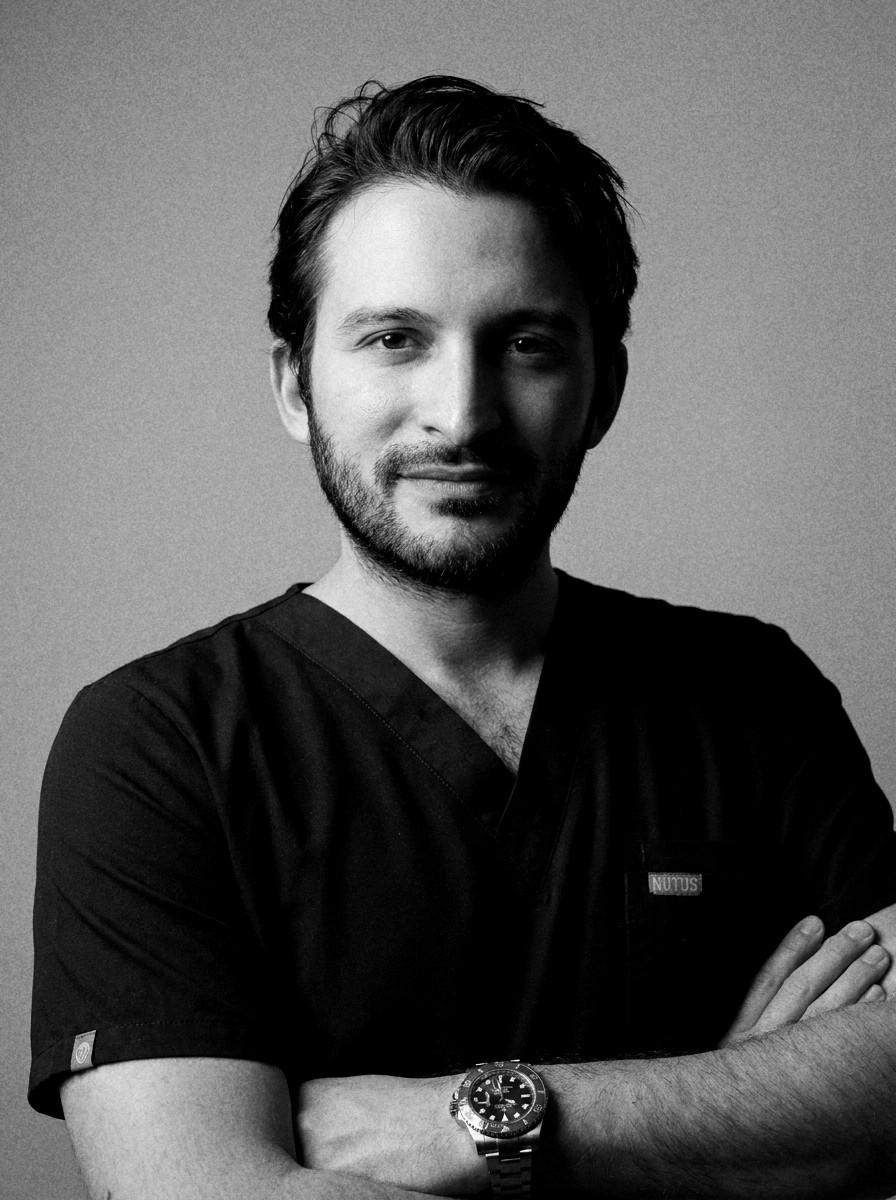
Written and reviewed by
Dt. Mehmet Alp ErdemDentist · PhD candidate in Oral and Maxillofacial Surgery, Yeditepe University
Sources
This page is for general information. Diagnosis and treatment decisions are made by the dentist after examination and imaging.
Plan your consultation
If you already have X-rays or a CBCT scan, send them on WhatsApp for a preliminary review before you travel.
Related treatments

All-on-4 & Full Mouth Dental Implants in Istanbul
A fixed full-arch bridge on 4-6 implants for people with no teeth or failing teeth — candidacy, timeline, trips to Istanbul and aftercare.
Details
Sinus Lift in Istanbul
Rebuilding bone height under the sinus so upper back teeth can be replaced with implants — lateral vs crestal, healing and flying.
Details
Dental Bone Grafting in Istanbul
Rebuilding lost jawbone so implants have a stable foundation — graft types, when grafting is needed, healing time and trips to Istanbul.
Details
Zirconia Crowns
Strong, metal-free crowns for teeth that genuinely need full coverage, not as a default for healthy teeth.
Details