Aesthetic
Zirconia Crowns
Medically reviewed by Dt. Mehmet Alp Erdem·Last updated:

What is a zirconia crown?
A crown is a cap that fits over a prepared tooth and covers it on every side. Zirconia is a high-strength ceramic that is close to natural tooth colour. Because there is no metal underneath, there is no dark line at the gum margin, and the material is well tolerated by the gums.
Zirconia crowns come in two main forms. Monolithic (full-contour) zirconia is made from a single block and is very resistant to chewing forces, which makes it a common choice for back teeth. Layered zirconia has porcelain built up on the surface for more translucency, which can suit front teeth. The choice depends on the tooth's position, your bite and your aesthetic goals.
When is a crown truly needed?
A crown requires tooth structure to be removed from every surface. In Dt. Mehmet Alp Erdem's approach, a crown is chosen when the tooth genuinely needs protecting, not as a default for healthy teeth that only need a change of colour or shape. It is typically needed for heavily filled, cracked, root-canal-treated or badly worn teeth.
The decision is based on a panoramic X-ray, a CBCT scan where needed and an intraoral scan that show how much sound tooth remains.
A crown is usually the right option for:
- Teeth with large fillings and thin remaining walls
- Cracked or broken teeth
- Root-canal-treated teeth, especially molars and premolars
- Teeth severely worn by grinding or acid erosion
- Teeth replaced with dental implants, and bridges
- Old crowns that no longer fit or have decay at the margin
Crowns vs veneers vs bonding
If a tooth is sound and the concern is mainly cosmetic, whitening, composite bonding or porcelain veneers are considered first. These work on the front surface only and preserve far more natural tooth. When a tooth is weakened by large fillings, cracks or root canal treatment, a crown gives it better support.
Where a tooth has moderate damage, a partial restoration such as an onlay or overlay can replace only the missing part instead of covering the whole tooth. A full crown is chosen when the tooth needs support from all sides. Each tooth is assessed individually, so a single plan may combine different treatments.
| Option | Part of the tooth involved | When it is considered |
|---|---|---|
| Composite bonding | Front surface only | Sound tooth, cosmetic concern |
| Porcelain veneer | Front surface only | Sound tooth, larger cosmetic change |
| Onlay / overlay | Only the missing part | Moderate damage |
| Zirconia crown | All surfaces, typically 1-1.5 mm | Tooth needs support from all sides |
How are zirconia crowns made and fitted?
Any decay, infection or gum problem is treated first. The tooth is then shaped under local anaesthetic to make room for the crown. Because zirconia can be made thinner than traditional metal-ceramic crowns in many situations, preparation can often be kept more limited.
A digital impression is taken with an intraoral scanner, the shade is selected and a temporary crown is fitted. At the next visit the laboratory-made crown is tried in, the bite is adjusted and the crown is cemented. When several front teeth are being restored, a mock-up can be used to preview shape and length first.
Zirconia crowns on dental implants
Zirconia is also widely used for crowns on dental implants. Once the implant has healed, its position is recorded with an intraoral scanner and the crown is designed to fit. Screw-retained crowns can be removed for checks if needed; with cemented crowns, care is taken that no excess cement is left below the gum.
With implant crowns, balancing bite forces is just as important as with natural teeth. The bite is adjusted carefully, and the gum and bone around the implant are monitored at regular check-ups.
Risks and things to know
Some sensitivity for a few days after preparation is common. A live tooth with a history of deep decay or large fillings may need root canal treatment in the future. Decay and gum inflammation can still develop at the crown margin, so cleaning between teeth is essential.
Zirconia is very hard, so the surface must be well polished and the bite carefully adjusted to protect the opposing teeth. If you clench or grind, a night guard is recommended.
How long do zirconia crowns last?
Crowns are generally expected to last 5-15 years, and often longer with good care. The main factors are oral hygiene, bite forces, grinding and the health of the tooth underneath. Brush twice a day with fluoride toothpaste, floss or use interdental brushes daily, and keep up regular check-ups with your dentist at home.
Avoid chewing ice, hard sweets or shells. If you clench or grind, a night guard is recommended.
How treatment works
- 01
Examination and imaging
A panoramic X-ray and, if needed, a CBCT scan show the root, any previous root canal and surrounding bone, confirming whether a crown is really needed.
- 02
Preparatory treatment
Any decay, fillings, root canal or gum treatment is completed before the crown is made.
- 03
Preparation and digital scan
The tooth is shaped under local anaesthetic, scanned, shade-matched and fitted with a temporary crown.
- 04
Try-in and cementation
The zirconia crown is checked for fit, shade and bite, then cemented and polished.
- 05
Review
Gum health and bite are checked, and you receive aftercare advice to follow at home.
Travelling to Istanbul for zirconia crowns
You can send a recent panoramic X-ray, any CBCT scan and photos via WhatsApp for a preliminary review before you travel. This helps identify which teeth are likely to need crowns and which may be suited to a more conservative option; the final plan is confirmed in person.
Without additional treatment, crowns are usually completed in a single stay of about 5-7 working days. There is no surgical recovery, so flying home straight afterwards is generally fine. Root canal or gum treatment may add days, and crowns on new implants are fitted on a later trip once the implants have healed. Routine check-ups can be done by your dentist at home. Appointments are held in Şişli (Osmanbey) and Gaziosmanpaşa, Istanbul.
Frequently asked questions
When do I actually need a crown instead of a veneer?
A crown is usually needed when a tooth is weakened: large fillings, cracks, root canal treatment or severe wear. Crowns are also used on implants and for bridges. If the tooth is healthy and you only want a different colour or shape, a veneer or bonding preserves much more natural tooth.
How much tooth is removed for a zirconia crown?
Typically around 1-1.5 mm from every surface, depending on the tooth and the type of zirconia. That is more than for a veneer, which usually affects only the front surface. For this reason, crowns are not recommended for healthy teeth purely for cosmetic reasons.
How long do I need to stay in Istanbul for zirconia crowns?
If no other treatment is needed first, crowns can usually be completed in one stay of about 5-7 working days, with 2-3 appointments. Root canal treatment, gum treatment or implants extend the timeline, and implant crowns are usually fitted on a separate trip after healing.
How long do zirconia crowns last?
Crowns generally last 5-15 years, and often longer with good care. Hygiene, regular check-ups, grinding habits and the health of the tooth underneath all play a part. Decay at the crown margin is a common reason for replacement, so daily flossing matters.
Do zirconia crowns look natural?
Zirconia is metal-free and tooth-coloured, so there is no grey line at the gum. Layered zirconia gives more translucency for front teeth, while monolithic zirconia is often chosen for back teeth where strength is the priority. The shade is matched to your neighbouring teeth.
Is zirconia better than porcelain-fused-to-metal?
Each has its uses. Zirconia avoids a metal substructure, so there is no dark margin, and it can often be made thinner. Metal-ceramic crowns have a long track record too. The right material depends on the tooth position, your bite and the space available, and is chosen after examination.
Can a crowned tooth still get decay?
The crown itself cannot decay, but the natural tooth at the crown edge can. Brushing twice daily, cleaning between teeth and regular check-ups reduce this risk. If gums recede, the margin may show and the crown may eventually need replacing.
What affects the cost of zirconia crowns?
Cost depends on the number of crowns, whether layered or monolithic zirconia is used, whether root canal, fillings or gum treatment are needed first, and whether the crowns sit on implants. You receive a detailed written treatment plan with costs after examination and imaging.
Guides

Written and reviewed by
Dt. Mehmet Alp ErdemDentist · PhD candidate in Oral and Maxillofacial Surgery, Yeditepe University
Sources
This page is for general information. Diagnosis and treatment decisions are made by the dentist after examination and imaging.
Plan your consultation
If you already have X-rays or a CBCT scan, send them on WhatsApp for a preliminary review before you travel.
Related treatments
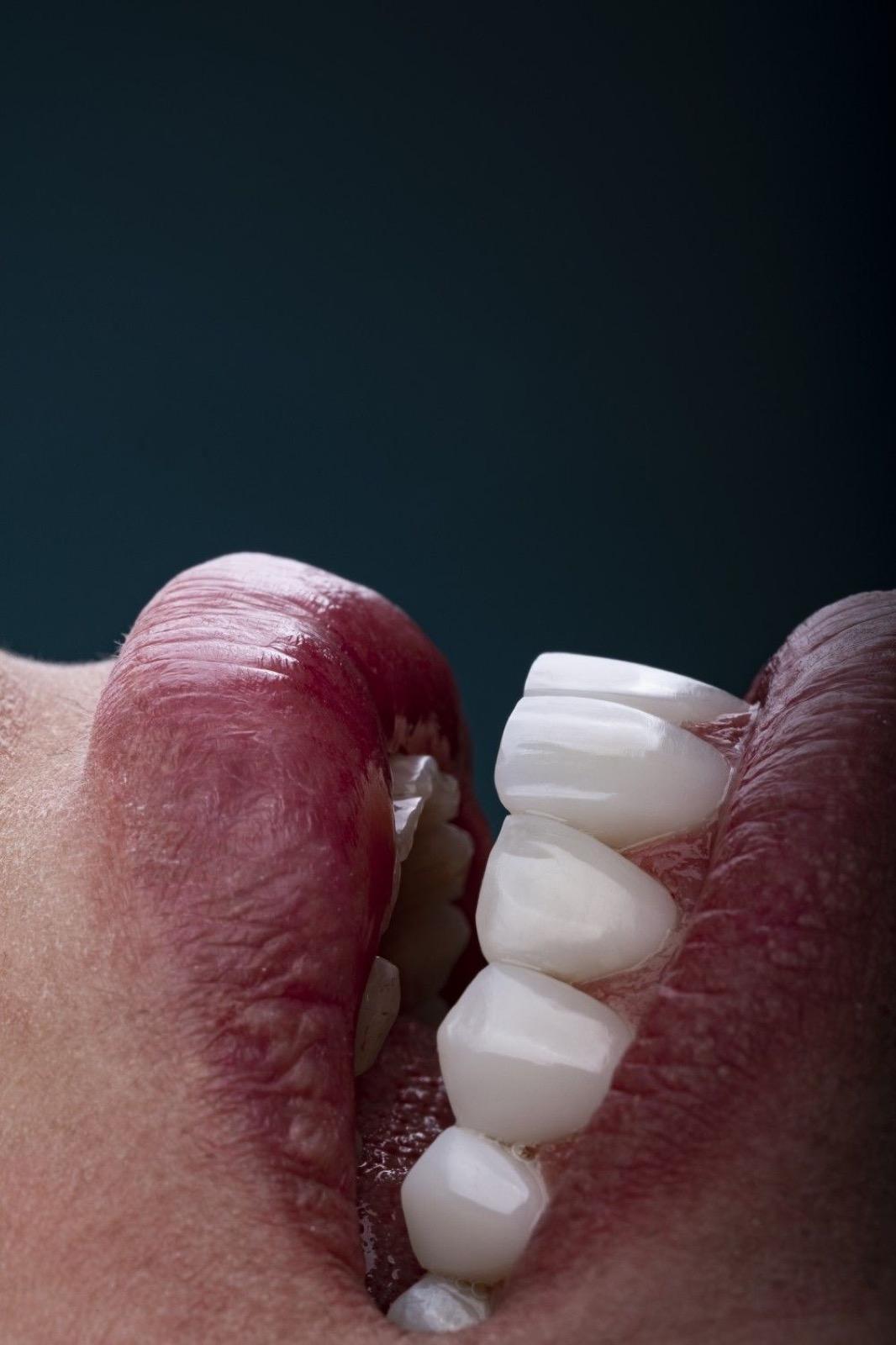
Porcelain Veneers
Thin porcelain shells for the front teeth, planned to keep as much natural enamel as possible.
Details
Root Canal Treatment in Istanbul
Treatment that removes inflamed or infected pulp, cleans and seals the root canals and aims to keep your natural tooth.
Details
Dental Implants in Istanbul
A titanium or zirconia root placed in the jawbone to replace a missing tooth — planning, healing time, trips to Istanbul and aftercare.
Details
Smile Design (Hollywood Smile)
A digitally planned smile, tried on in your own mouth as a mock-up before any tooth is touched.
Details