Implants
Dental Bone Grafting in Istanbul
Medically reviewed by Dt. Mehmet Alp Erdem·Last updated:

What is a dental bone graft?
Once a tooth is removed, the bone that held it no longer has a root to support and begins to resorb. Most of the loss happens in the first months, and over years the ridge becomes both narrower and shorter. Gum disease, injury, cysts and difficult extractions can also leave bone defects.
A bone graft fills that gap with material that acts as a scaffold for your body to grow new bone. The graft is often covered with a protective membrane — a technique called guided bone regeneration. Over the following months, the graft is gradually replaced by your own bone, creating a solid foundation for an implant.
When do you need a bone graft?
A bone graft is needed when the jawbone is too narrow or too short for an implant, to preserve bone after an extraction, or to repair defects left by cysts, infection or gum disease. Grafting is rarely an end in itself; it is usually part of implant treatment. Common situations include:
- Socket preservation: placing graft in the socket at the time of extraction to limit bone loss
- Horizontal ridge augmentation: widening a ridge that is too narrow for an implant
- Vertical ridge augmentation: restoring lost bone height — a more demanding technique
- Sinus lift: adding bone under the sinus in the upper back jaw
- Repairing defects left by cysts, infection or gum disease
Types of bone graft material
Graft materials fall into four broad groups. Your own bone (autograft), usually taken from inside the mouth — for example the chin or the back of the lower jaw — has the strongest biological properties but means a second surgical site.
Processed human donor bone (allograft), processed animal bone (xenograft) and synthetic materials (alloplast) avoid a second site. They are sterilised and processed to tissue-bank or manufacturing standards, and are often combined. The choice depends on the size and shape of the defect and your preferences, and is discussed openly at your consultation.
Planning: measure first, graft only where needed
Dt. Mehmet Alp Erdem, a dentist focused on oral surgery and implantology, decides on grafting only after measuring bone width and height on a 3D CBCT scan. That shows whether a graft is genuinely needed and, if so, how much and which technique. Sometimes shorter or narrower implants, or angled placement, reduce or avoid the need for grafting.
Small defects can often be grafted at the same time as the implant; larger ones are grafted first, with the implant placed a few months later. After examination at the clinics in Istanbul, your written plan explains each stage and what drives the cost — the amount and type of graft material, whether a membrane is used and how many procedures are needed.
Recovery, risks and side effects
Swelling, tenderness and mild bruising for three to five days are normal, and you may notice a few small graft granules in your mouth early on — usually nothing to worry about. Discomfort is generally controlled with prescribed medication. Stitches are typically removed after 10-14 days, and any denture pressing on the area may need to be adjusted or limited.
Possible problems include infection, the wound reopening and exposing the graft, partial resorption of the graft, and extra soreness where your own bone was taken. Smoking significantly reduces graft success. If the graft does not provide quite enough volume, a minor top-up procedure may be needed; this is assessed at your healing reviews.
Alternatives and long-term outlook
Grafting is not always the only route. Short or narrow implants, tilted implant placement, full-arch concepts such as All-on-4 and, for severe upper-jaw bone loss, zygomatic implants can reduce or remove the need for grafting in selected patients. Bridges and removable dentures remain non-implant alternatives worth discussing.
Once matured, grafted bone supports an implant much like natural bone. Protecting it long term comes down to keeping the gum around the implant healthy: thorough brushing, cleaning between teeth, not smoking and check-ups once or twice a year. Socket preservation at the time of extraction can also help avoid a larger graft later if an implant is planned.
How treatment works
- 01
Examination and CBCT
Bone width, height and nearby structures are measured in 3D to decide whether grafting is needed and how much.
- 02
Technique and material
Socket preservation, horizontal or vertical augmentation, or sinus lift is chosen, along with the material and implant timing.
- 03
Grafting procedure
Under local anaesthetic the graft is placed, covered with a membrane where needed and closed with stitches.
- 04
Healing and reviews
Stitches come out after 10-14 days; the graft typically matures over 3-6 months and is checked with imaging.
- 05
Implant placement
Once enough bone has formed the implant is placed — or, if placed together with the graft, the crown is fitted.
Travelling to Istanbul for bone grafting
Bone grafting is usually one stage of implant treatment. When the graft and implant can be placed together, plan on two trips: around 10-14 days for surgery and stitch removal, then about 5-7 days for the crown once the implant has integrated.
If the graft needs to mature before the implant, a three-trip plan is more typical — the graft, the implant roughly 3-6 months later, and finally the crown. Between visits you can send photos and questions by WhatsApp, and you receive a written summary for your local dentist.
Send any existing panoramic X-ray or CBCT scan by WhatsApp before booking flights; a preliminary review gives an early idea of how much grafting may be needed and how many trips to plan. Treatment takes place in Şişli (Osmanbey) and Gaziosmanpaşa, and the final plan is confirmed in writing after examination.
| Trip | Graft placed with the implant | Graft placed first |
|---|---|---|
| Trip 1 | Graft and implant surgery, about 10-14 days | Graft surgery |
| Trip 2 | Crown, about 5-7 days | Implant, roughly 3-6 months later |
| Trip 3 | Not needed | Crown |
Frequently asked questions
Do I need a bone graft for dental implants?
Not always. Grafting is needed when the jawbone is too narrow or too short to hold an implant securely, which is common when teeth have been missing for a long time. A CBCT scan shows exactly how much bone you have. Sometimes shorter or angled implants can avoid grafting altogether.
How long after a bone graft can I get an implant?
For small defects, the implant and graft can often be placed in the same session. For larger defects, the graft typically needs 3-6 months to mature before the implant goes in, and extensive or vertical grafts may need longer. Timing is confirmed with follow-up imaging.
Is a dental bone graft painful?
The procedure is done under local anaesthetic, so you should feel pressure rather than pain. Afterwards, mild to moderate soreness, swelling and bruising for a few days are common and usually controlled with prescribed painkillers and cold compresses. If your own bone was used, the donor area may also be tender.
How many trips to Istanbul does a bone graft need?
If the graft and implant are placed together, usually two trips: surgery (staying about 10-14 days) and a later visit for the crown. If the graft is done first, plan for a third trip — one for the graft, one for the implant 3-6 months later, and one for the crown.
Can I fly after a bone graft?
After a routine jaw bone graft, most people can fly within a few days. If the graft was part of a sinus lift, waiting about 7-10 days is usually advised because pressure changes can affect the sinus membrane. Your fly-home date is confirmed at your review.
What are bone grafts made from?
Options include your own bone, processed human donor bone, processed animal bone and synthetic materials. Donor and animal-derived materials are sterilised and processed to strict standards. They are often combined, and the right choice depends on the size of the defect and your preferences.
What happens if a bone graft fails?
Partial loss of a graft through resorption or infection is uncommon but possible. Once the area has healed, it can usually be re-grafted, or the plan adjusted — for example with a shorter implant. Not smoking and keeping the area clean are among the most important factors in graft success.
What determines the cost of bone grafting?
The main factors are the volume of bone needed, the type of graft material, whether a membrane is used, whether your own bone is harvested, and whether the graft is done together with the implant. A precise written plan is provided after examination and a 3D scan.
Guides
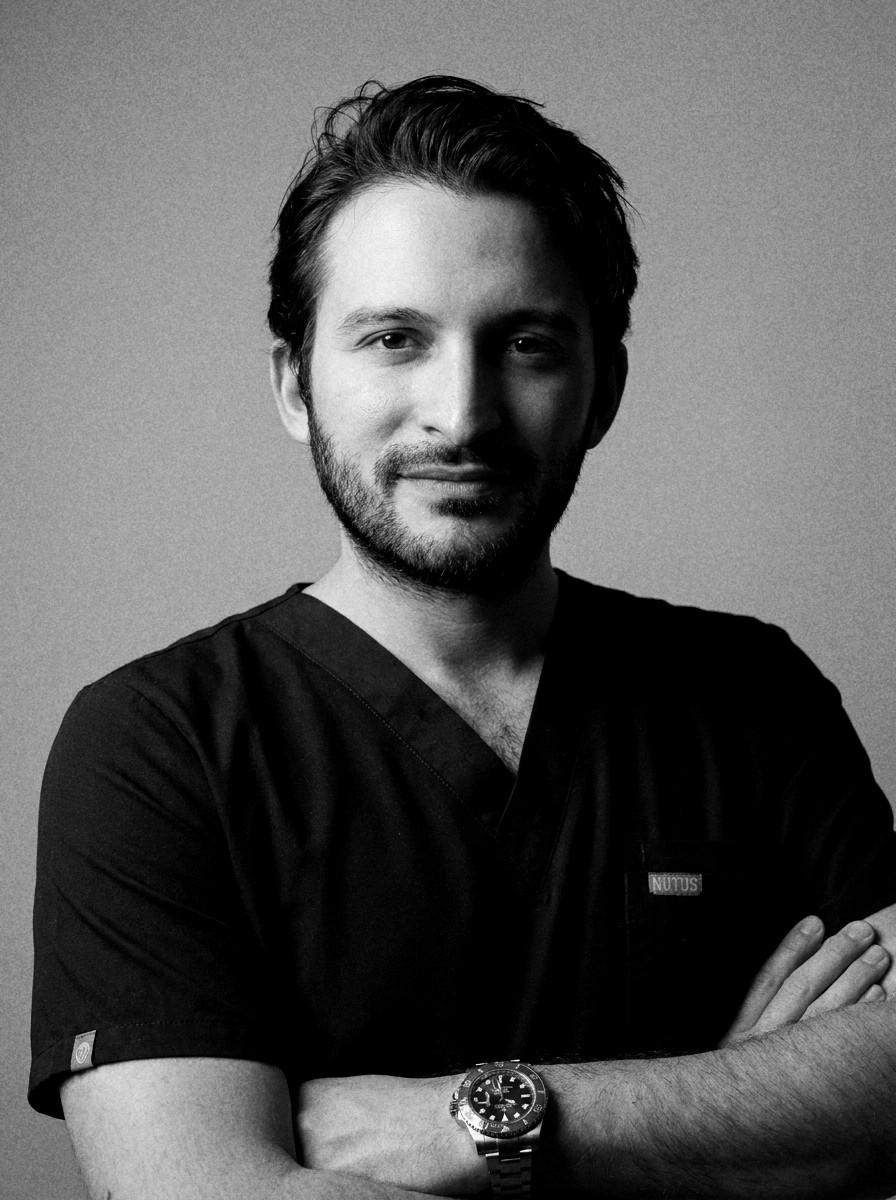
Written and reviewed by
Dt. Mehmet Alp ErdemDentist · PhD candidate in Oral and Maxillofacial Surgery, Yeditepe University
Sources
This page is for general information. Diagnosis and treatment decisions are made by the dentist after examination and imaging.
Plan your consultation
If you already have X-rays or a CBCT scan, send them on WhatsApp for a preliminary review before you travel.
Related treatments

Dental Implants in Istanbul
A titanium or zirconia root placed in the jawbone to replace a missing tooth — planning, healing time, trips to Istanbul and aftercare.
Details
Sinus Lift in Istanbul
Rebuilding bone height under the sinus so upper back teeth can be replaced with implants — lateral vs crestal, healing and flying.
Details
Wisdom Tooth Removal in Istanbul
Planned removal of impacted or partly erupted wisdom teeth, guided by 3D CBCT imaging and focused on protecting surrounding tissue.
Details
All-on-4 & Full Mouth Dental Implants in Istanbul
A fixed full-arch bridge on 4-6 implants for people with no teeth or failing teeth — candidacy, timeline, trips to Istanbul and aftercare.
Details